Whole-House Repiping vs. Spot Repair: Which Project Should You Hire For?
Whole-house repiping fits widespread, recurring, or aging pipe problems, while spot repair fits an isolated leak in otherwise sound plumbing. PlumbingMaplevalley.com can inspect the system, explain the tradeoffs, and prepare a project-specific quote based on pipe condition, leak location, access, water pressure, repair history, and future risk.
Request an EstimateWhole-House Repiping vs. Spot Repair at a Glance
Whole-house repiping addresses the connected plumbing system, while spot repair addresses a defined pipe failure. The right repair scope depends on whether the problem is isolated or points to system-wide plumbing problems.
Our team compares pipe condition, project scope, maintenance needs, and access before recommending work. A plumbing inspection helps prevent both unnecessary repiping and short-term fixes that overlook wider failure.
| Factor | Whole-House Repiping | Spot Repair |
|---|---|---|
| Cost | Usually higher because more piping and access work are involved. | Usually lower when the failure is limited and easy to reach. |
| Timeline | Requires broader planning, installation, testing, and restoration. | Has a narrower work scope when the damaged section is clear. |
| Maintenance | Can reduce maintenance concerns tied to aging supply pipes. | Keeps maintenance focused on the repaired area. |
| Best for | Recurring leaks, corroded plumbing, and aging plumbing systems. | An isolated leak in otherwise reliable plumbing. |
Spot repair limits the work area, while a home repipe addresses connected supply piping. Our assessment identifies which scope matches the evidence.
When Spot Repair Is the Better Fit
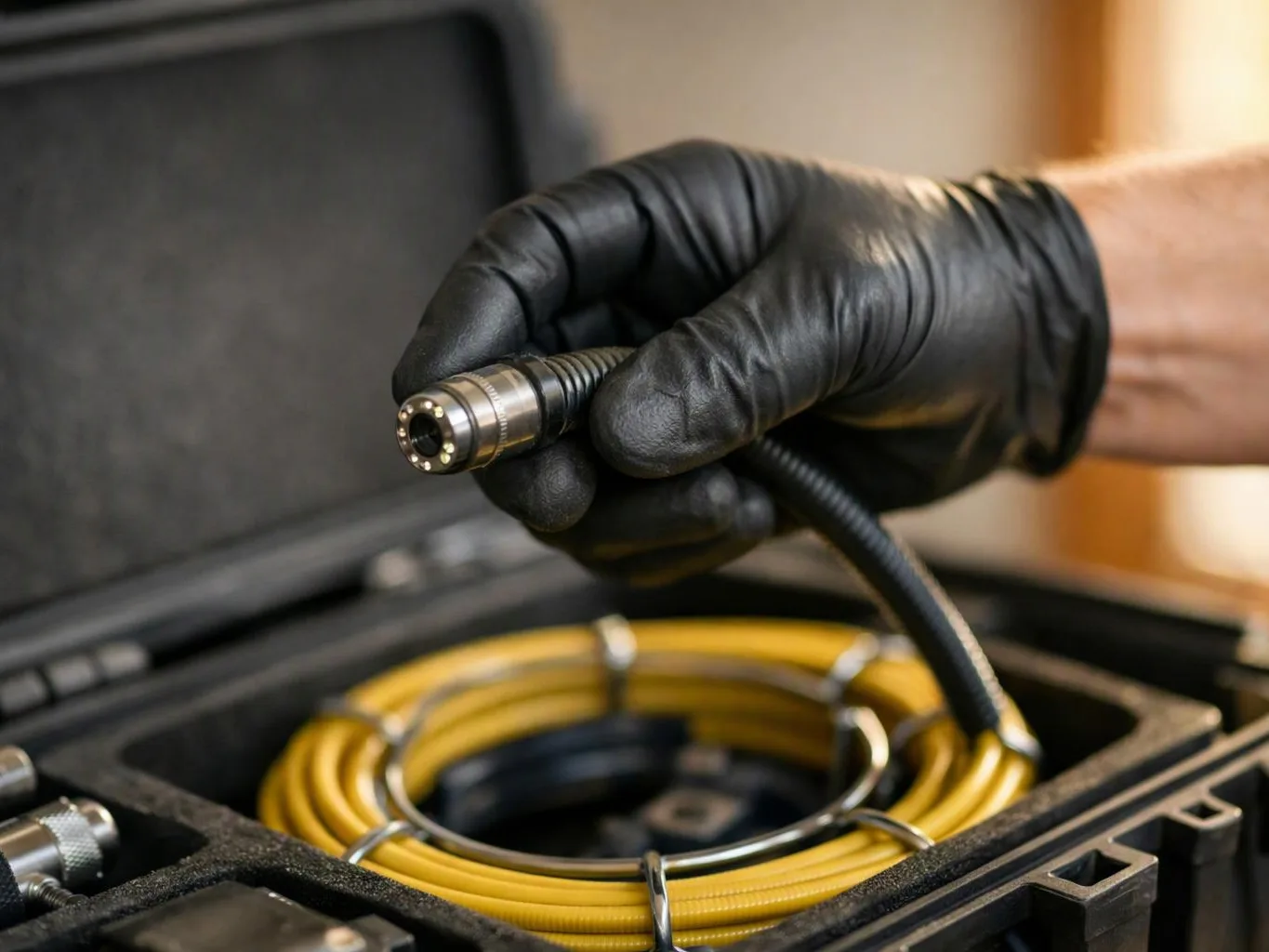
Spot repair is usually the better fit when one damaged section is identifiable and the surrounding pipes remain reliable. Water leak detection helps us confirm the leak source before we plan water leak repair.
Localized plumbing failure can involve an exposed pipe section, a fitting, or a connection. Accessible plumbing can also reduce wall access and limit repair disruption.
Our team still checks nearby pipe material and repair history. A single visible leak can matter more when other signs point to wider pipe failure.
When Whole-House Repiping Is Worth Considering
Whole-house repiping is worth considering when problems affect several areas or repairs keep returning across the plumbing system. Recurring leaks often suggest that more than one pipe section has weakened.
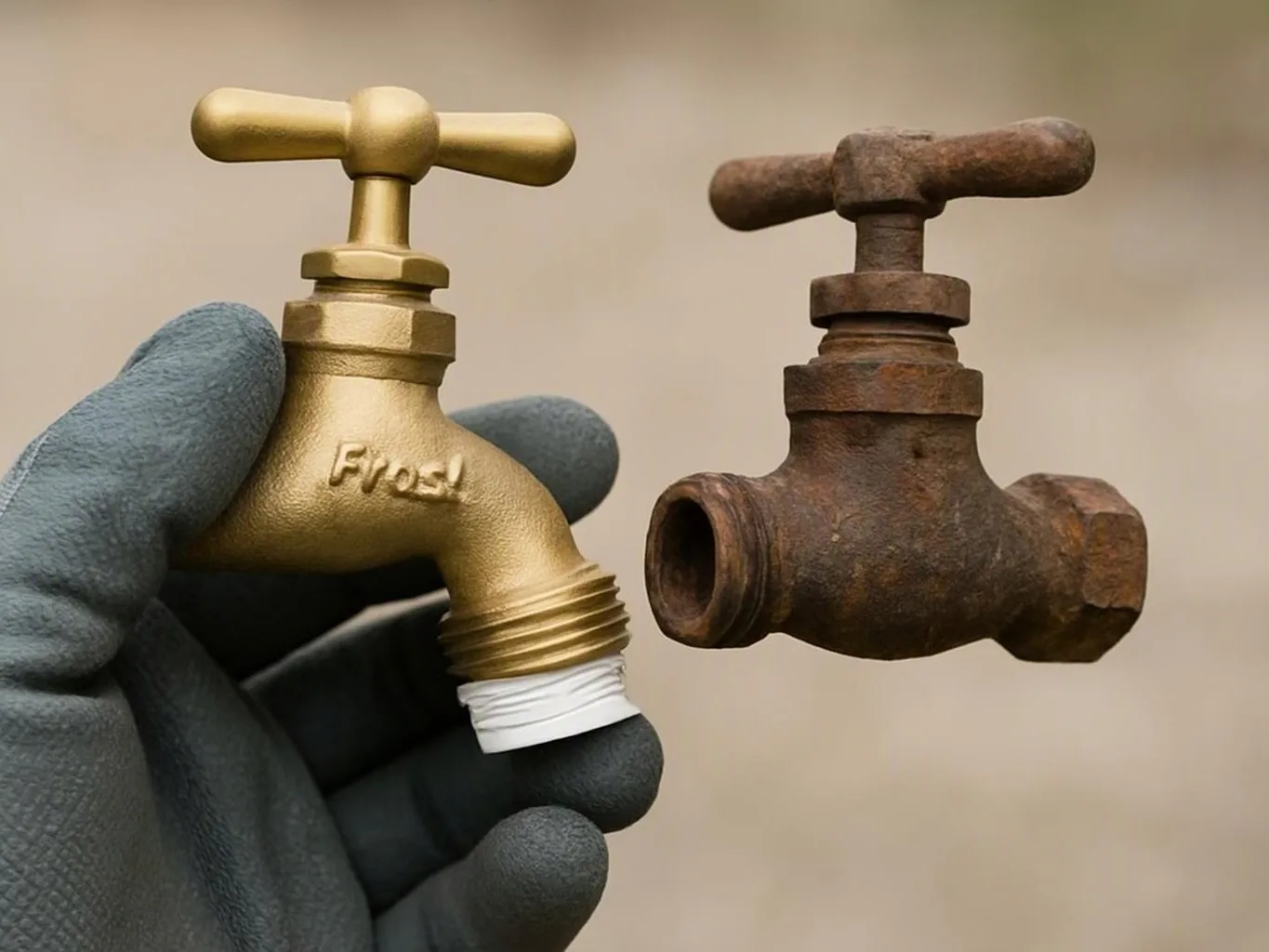
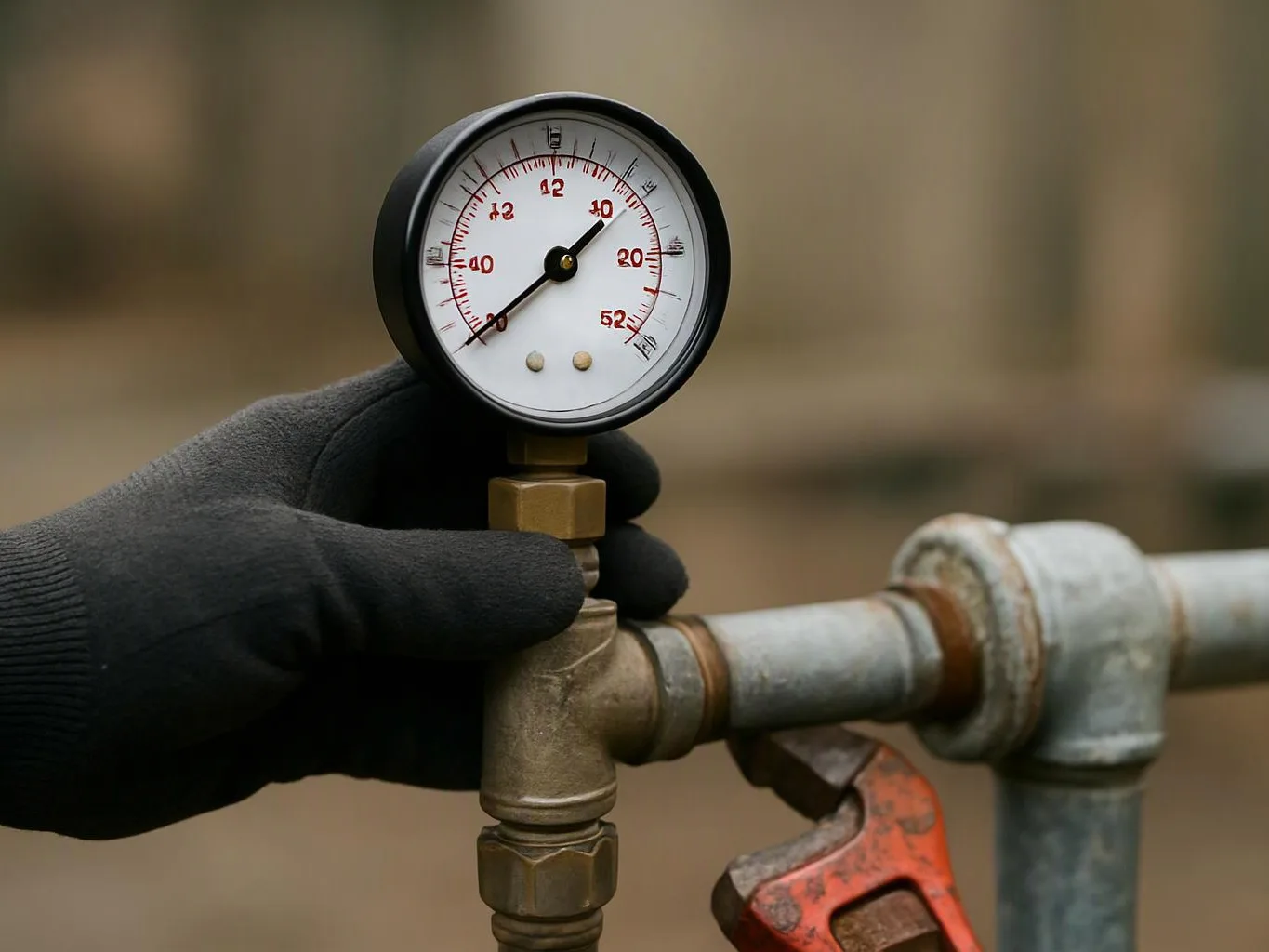
Corroded pipes can affect water quality, connections, and flow. Discolored water, low water pressure, and repeated water damage can also point to an aging plumbing system.
We review supply pipes, branch lines, pipe joints, and shutoff valves during the assessment. If the same pipe material shows broad deterioration, replacement piping may provide a more consistent long-term plan.
Our Whole-House Repiping service can address connected system concerns when partial fixes no longer make sense.
The Advantages of Spot Repair
Spot repair keeps a localized plumbing failure focused on the affected area. That narrower scope can reduce disruption when the surrounding system is in good condition.
Spot repair doesn't correct unrelated weaknesses elsewhere. We explain that limitation so you can plan future maintenance with clear information.
The Advantages of Whole-House Repiping
Whole-house repiping replaces connected supply piping when the system shows broad or repeating failure. The project can create a more consistent plumbing plan across the home.
Repiping requires broader planning than a localized repair. Our team reviews access, fixture connections, restoration, and required inspections before setting the project scope.
How We Decide Between Repair and Repiping
We choose the repair scope after checking the leak source, pipe condition, access, and signs of wider system failure. Our process connects water leak detection findings to a practical repair plan.
The findings show whether a localized pipe repair is reasonable. They also show when partial repiping or a full home repipe deserves consideration.
What Changes a Whole-House Repiping Estimate?
A whole-house repiping estimate changes with the home's layout, pipe material, replacement route, access, and required restoration. Our project estimate reflects the confirmed work rather than a generic allowance.
Complex layouts can require more planning around branch lines and fixture connections. Wall and ceiling access can also affect preparation, protection, and restoration.
Permit and inspection requirements may affect the work sequence. We explain which parts of the project are included, how replacement piping will be routed, and what access conditions may change the scope.
What to Expect From Our Plumbing Assessment
PlumbingMaplevalley.com checks the affected plumbing, explains the repair choices, and prepares a quote based on the confirmed work. Our team starts with water leak detection and reviews the wider residential plumbing system when the evidence calls for it.
We explain whether water leak repair, spot repair, partial repiping, or whole-house repiping fits the findings. The project quote reflects pipe material, access conditions, fixture connections, replacement route, restoration, and required inspections.
We also explain the practical tradeoffs between a limited repair and broader replacement. That gives you a clear basis for long-term repair planning.
Which Project Fits Your Plumbing Problem?
Spot repair fits an isolated failure, while whole-house repiping fits widespread or repeating pipe problems. Leak severity and pipe system condition should guide the decision.
Choose spot repair when the leak location is clear and nearby pipes remain reliable. Consider whole-house repiping when aging pipes, pipe corrosion, low water pressure, discolored water, or recurring leaks affect several areas.
Our team can inspect the system and explain the repair scope before work begins. Request a project-specific quote through our contact page.