When Recurring Plumbing Symptoms May Point to Repiping
A house may need repiping when repeated leaks, rusty water, widespread low pressure, or pipe corrosion affect multiple fixtures. PlumbingMaplevalley.com checks the pipe material, leak pattern, water condition, and pressure before recommending whole-house repiping.
Request an EstimateWhat Signs Suggest a House Needs Repiping?
Recurring leaks, rusty water, widespread low pressure, and visible corrosion are the main signs that a house may need repiping.
One symptom can come from a single fixture or appliance. Several symptoms across the home suggest a broader problem with the plumbing pipes.
Can Rusty Water Mean Your Pipes Are Corroding?
Yes, rusty water can mean that iron-based pipes are corroding, but the water heater or another fixture can also cause discoloration.
Galvanized steel pipes can release rust as their inner surfaces break down. Water that sits in a line may look rusty when the tap first opens, then clear after the line flushes.
A water heater can also create rusty or discolored water. We check whether the color appears at one fixture or across the water supply before recommending pipe replacement.
Can Old Pipes Cause Low Water Pressure Throughout a House?
Yes, old pipes can lower water pressure throughout a house when corrosion or mineral buildup narrows the water passage.
Old plumbing pipes can collect scale inside the line. Pipe corrosion can also reduce the open space available for water to move.
We compare pressure at several fixtures and review the water supply path. That helps separate a failing pipe system from a shutoff valve, fixture, or supply issue.
When Do Repeated Pipe Leaks Suggest Repiping?
Repeated leaks suggest repiping when failures occur in several areas or keep returning after localized repairs.
Hidden leaks can appear beneath floors, inside walls, or near covered pipe fittings. A repair history with leaks in different locations may show system-wide pipe failure.
We review the pipe material, leak locations, and previous repairs. That evidence helps us decide whether a targeted repair or whole-house pipe replacement fits the condition.
Our Whole-House Repiping service addresses failing water lines when the problem extends beyond one repair area.
What Does a Repiping Assessment Check?
A repiping assessment checks the pipe material, visible condition, leak pattern, water pressure, and the scope of affected plumbing lines.
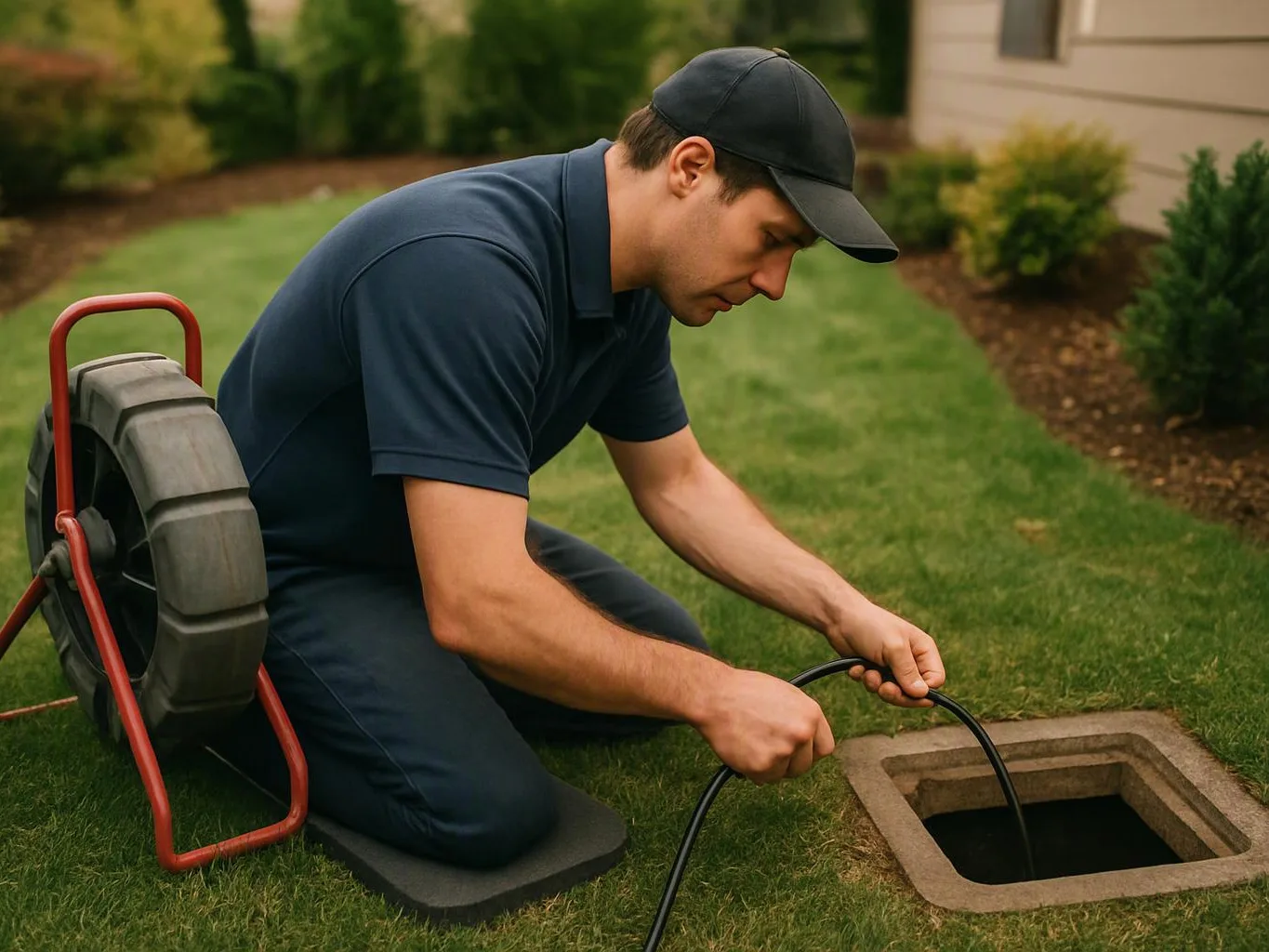
Our whole-house plumbing inspection starts with accessible plumbing lines and visible pipe fittings. We look for corrosion, staining, damaged connections, and signs of hidden pipe leaks.
Water pressure testing shows whether pressure loss affects one branch line or the broader water supply. Leak detection helps us locate active problems that may not be visible.
We also review fixture connections, shutoff valves, and water heater connections. These details help define the replacement scope and identify sections that may not need replacement.
What Can You Do Yourself, and When Should We Check the Plumbing?
You can document symptoms and check accessible fixtures, while we assess pipe condition, pressure, leaks, and repiping needs.
Safe observations can give our team useful information before an inspection. Avoid opening walls, cutting pipes, or changing regulated plumbing connections yourself.
| Factor | What you can do yourself | What we do |
|---|---|---|
| Homeowner observations | Note where leaks, low pressure, or water discoloration appear. | We connect the symptoms to the pipe layout and repair history. |
| Fixture checks | Compare several fixtures and note whether the issue affects hot or cold water. | We perform water pressure testing and inspect accessible connections. |
| Shutoff valve | Confirm that the main valve appears open and is easy to identify. | We check valves, fittings, and supply lines for flow restrictions or damage. |
| Plumbing inspection | Keep repair records and note any visible corrosion or staining. | We inspect the plumbing system and determine whether whole-house repiping is appropriate. |
When Is Whole-House Repiping the Right Next Step?
Whole-house repiping may be the right next step when pipe failures affect several parts of the plumbing system and repairs keep recurring.
System-wide pipe failure can affect supply lines, branch lines, and fixture connections. Repiping replaces affected sections with new routes that support the home’s water needs.
Our team considers plumbing access, pipe condition, repair history, and repiping scope. We explain whether whole-house pipe replacement or partial repiping better matches the evidence.
How Do We Plan a Whole-House Repiping Project?
We review the plumbing layout, confirm the affected lines, explain the replacement scope, and prepare a quote based on the house and project requirements.
Our repiping evaluation maps replacement pipe routes and identifies needed access points. We also review fixture connections, shutoff valves, and water heater connections.
The project scope depends on pipe material, pipe condition, access, and the number of affected lines. We explain the work before installation begins and provide the details needed to request a quote.
To discuss your symptoms and next steps, contact our team.
Questions About Recurring Plumbing Symptoms
Does rusty water always mean the whole house needs repiping?
Rusty water doesn't always mean the whole house needs repiping because a water heater or single fixture can cause discoloration. We check where the color appears and inspect the related plumbing pipes.
Can repiping fix low water pressure at every fixture?
Repiping can fix low water pressure at every fixture when corrosion or mineral buildup restricts the home’s supply lines. We test pressure first so the recommended work addresses the actual restriction.
What pipe problems can localized repairs not solve?
Localized repairs may not solve widespread pipe corrosion, repeated leaks in separate areas, or pressure loss across several branches. We use the repair history and inspection findings to identify when pipe replacement is the lasting solution.