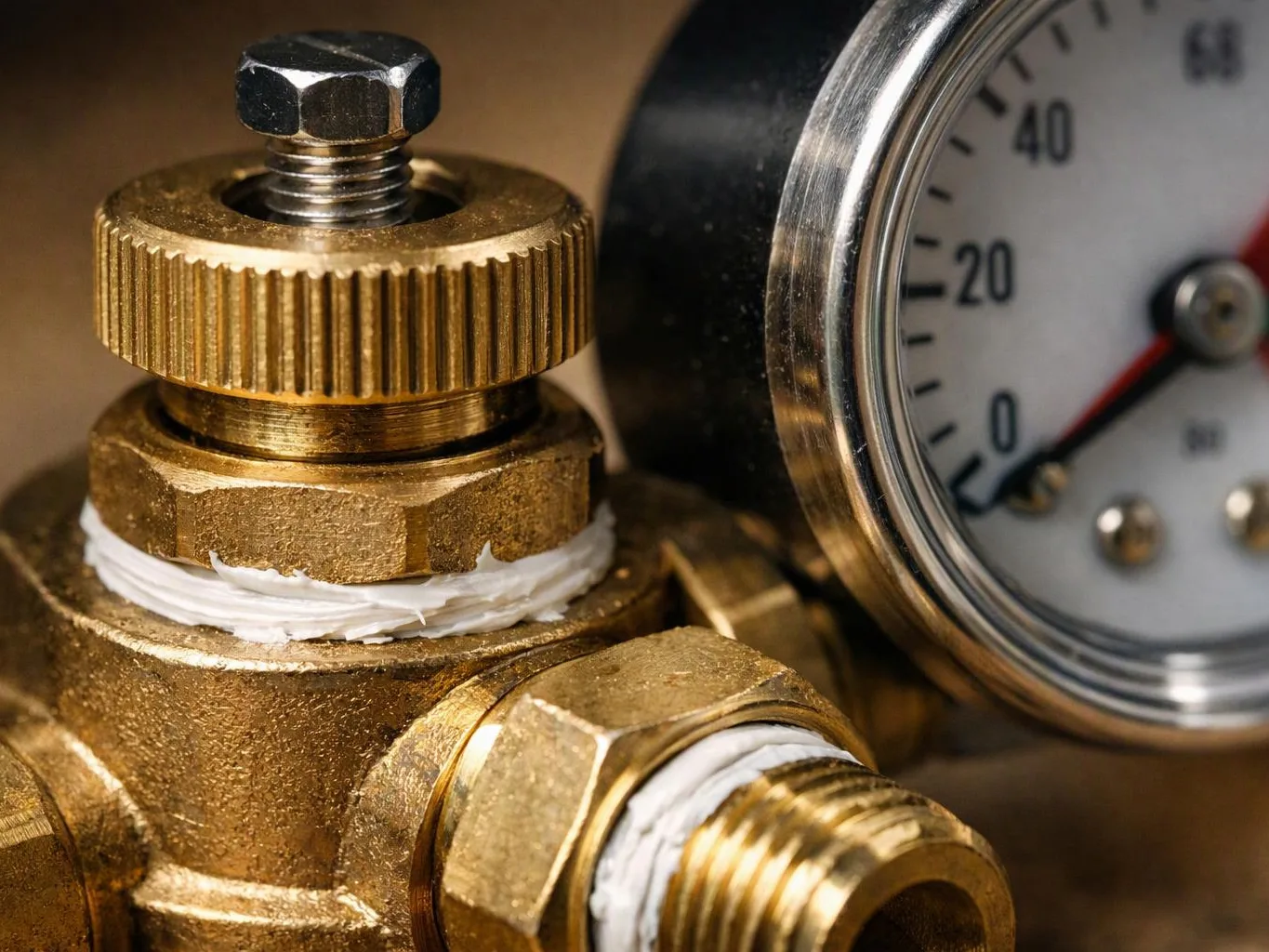
Water Heater Warning Signs You Shouldn’t Ignore
Water heater problems often appear as lost hot water, unusual popping or rumbling, leaks, rusty water, or unstable temperatures. PlumbingMaplevalley.com can inspect the cause and explain whether repair or installation fits the condition.
Request an EstimateWhat Water Heater Warning Signs Mean
A water heater warning sign shows that a heating, plumbing, tank, or safety component needs attention. Some signs point to a serviceable part, while others suggest tank damage.
We use a water heater inspection to diagnose the cause before recommending water heater repair. Our team can explain the condition clearly and connect you with the right Water Heater Repair option.
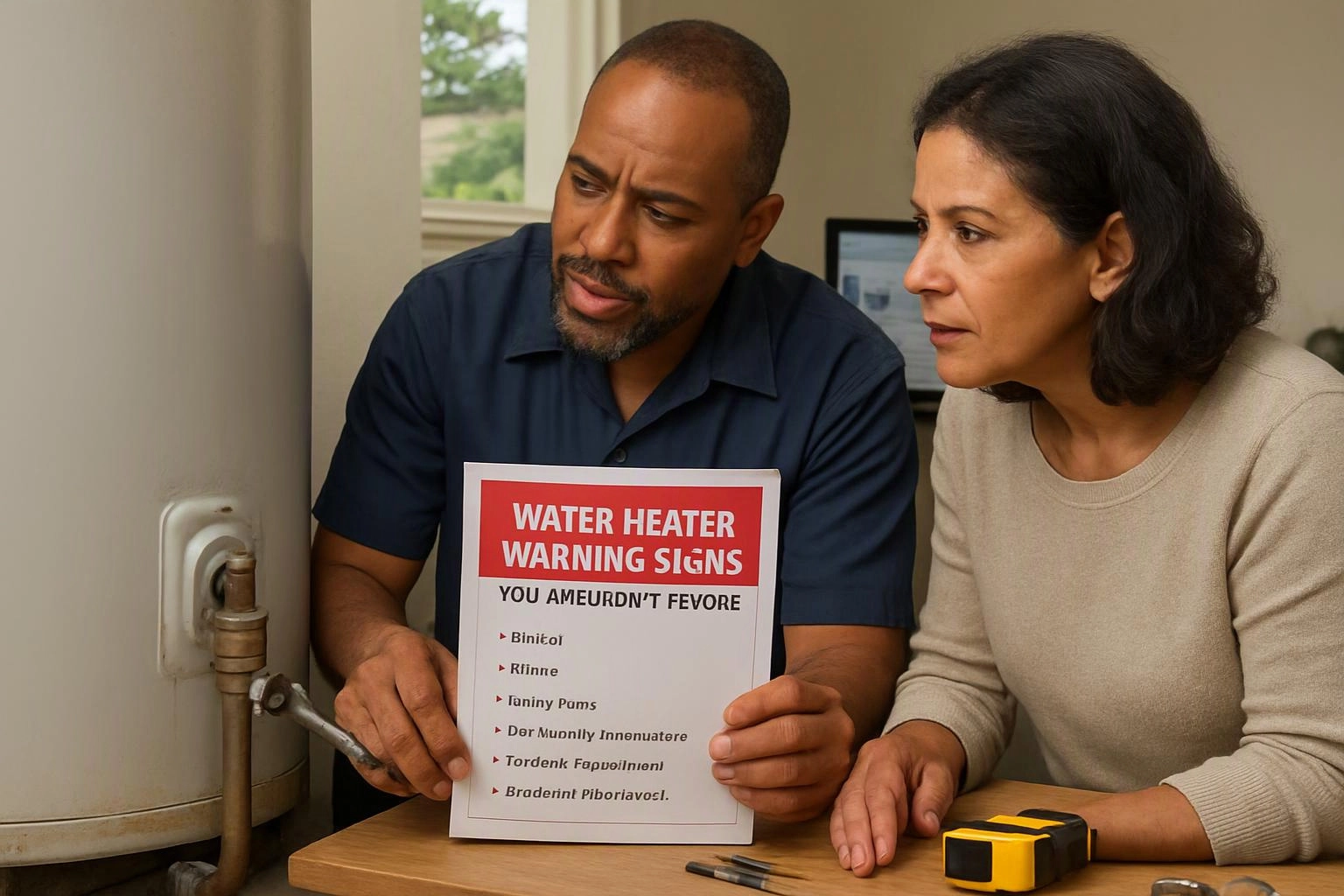
Which Water Heater Problems Shouldn’t Be Ignored?
The main warning signs include no hot water, unusual sounds, leaks, rusty water, and changing temperatures. Each symptom can have more than one cause, so the visible sign doesn't always identify the failed part.
Why Is the Water Heater Making Popping or Rumbling Noises?
A tank water heater may make popping or rumbling noises when sediment buildup traps water near the heating area. The sediment can create uneven heating as water moves through the tank.
An electric water heater may involve a heating element, while a gas water heater may involve the burner. We check the heating system and tank condition before choosing a repair.
Why Is There Water Around the Base of the Water Heater?
Water around the base of a water heater can come from a tank leak, drain valve, temperature and pressure relief valve, or water heater connections. The leak source matters because a loose connection and a leaking tank need different solutions.
We trace the leak before recommending work. Prompt attention can limit water damage and help determine whether water heater repair or installation makes sense.
Why Is the Hot Water Rusty or Discolored?
Rusty hot water often points to corrosion in the anode rod, water heater tank, or house plumbing. Hot water that changes color only at certain fixtures may involve the plumbing near those fixtures.
We compare the hot and cold water appearance and inspect the water heater tank. That check helps separate a water heater problem from a broader plumbing issue.
Why Is the Water Heater Not Producing Hot Water?
A water heater may stop producing hot water because its power, fuel, thermostat, heating element, or internal tank components have failed. The cause can differ between a gas water heater and an electric water heater.
A gas water heater may have a pilot light or burner issue. An electric water heater may have a circuit, heating element, or thermostat problem.
We also check the water supply and related connections. Our diagnosis identifies whether the issue is repairable or calls for water heater installation.
What Can You Safely Check Before Calling Us?
You can gather basic information without opening panels, adjusting gas parts, or working on wiring. These checks help our team understand the warning sign.
Gas odor, active leaking, exposed wiring, or smoke requires immediate caution. Don't attempt gas or electrical repairs yourself.
When Should We Repair or Replace the Water Heater?
We recommend water heater repair when a serviceable component caused the problem. A thermostat, heating element, burner, valve, or connection may be replaceable.
Tank corrosion or repeated water heater failure may support replacement. Our replacement assessment considers the tank condition, repair history, water heater type, and safety concerns.
Water heater installation may be the better path when the tank is leaking or internal damage cannot be repaired. We explain the reason for the recommendation before work begins.
What Can You Do Yourself, and When Should You Call Us?
Homeowner inspection is limited to safe observation and basic information gathering. Gas safety and electrical safety require trained handling, so our team should perform regulated repairs and installation work.
| Factor | What you can do yourself | What we do |
|---|---|---|
| Visual checks | Observe leaks, sounds, labels, and temperature changes. | Trace the warning sign and inspect related components. |
| Gas safety | Leave the area if you smell gas and avoid switches or flames. | Check the gas water heater and explain safe repair options. |
| Electrical safety | Look at the circuit breaker without removing covers. | Diagnose electrical parts and complete water heater repair safely. |
| Replacement decision | Record the symptoms and water heater information. | Assess corrosion, failure history, access, and installation needs. |
How We Check Water Heater Warning Signs
We trace the warning sign to its source, check related safety components, and explain the repair or installation options. Our water heater diagnosis starts with the reported symptom and the unit's condition.
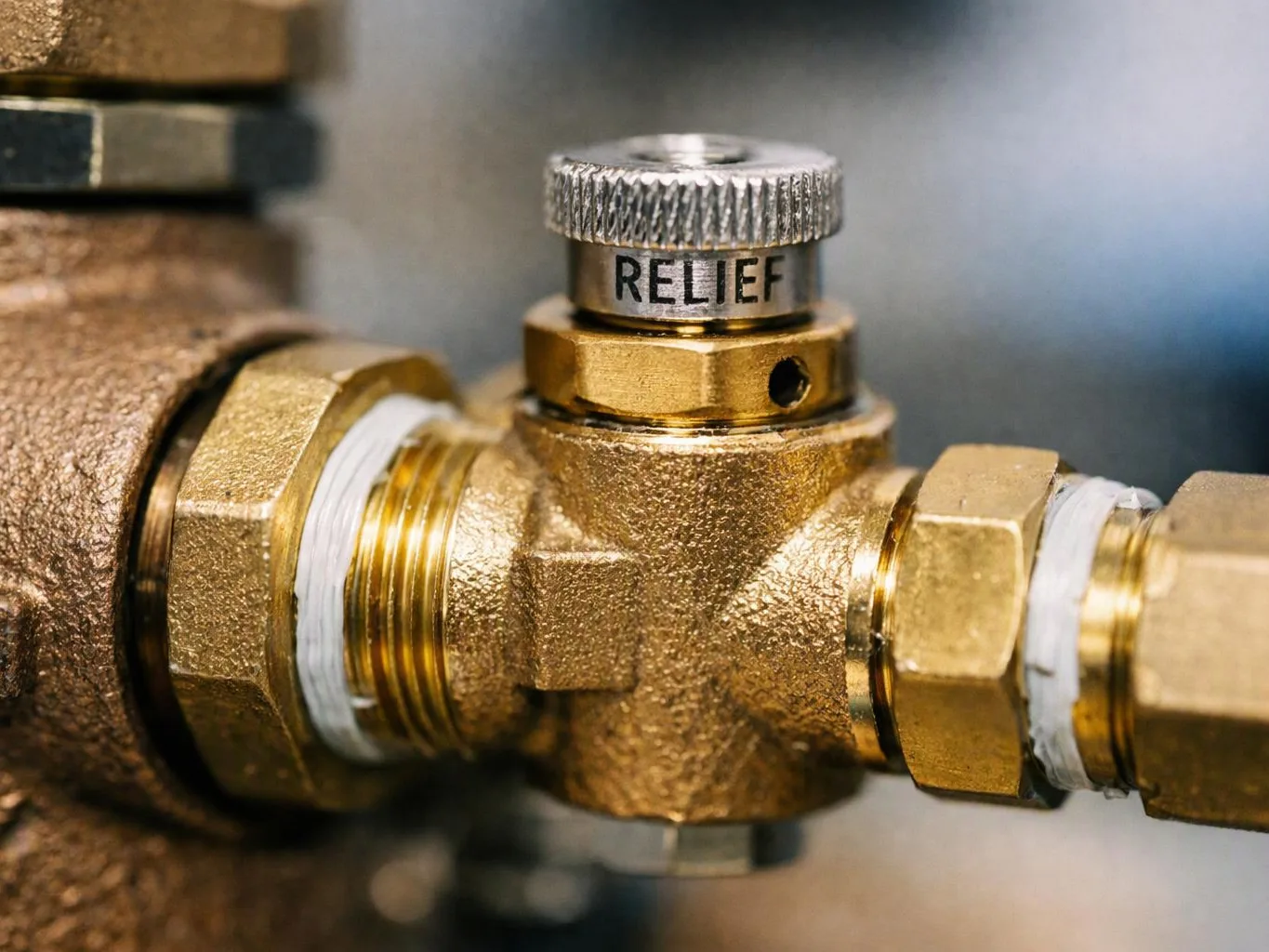
We perform a leak inspection, temperature check, and review of the pressure relief valve. We also inspect the heating system and plumbing connections for related problems.
Our team explains what we found and what each option addresses. We can then prepare a service quote based on the needed work.
What Changes the Cost of This Water Heater Work?
The cost depends on the water heater type, failed component, access, required parts, and whether repair or installation is needed. A leaking tank can involve a different scope from a failed thermostat or valve.
Replacement parts, access conditions, and plumbing modifications can also change the work involved. We include the recommended work and its reason when we provide a quote.
Request a quote after we diagnose the cause. That gives you a clearer choice between repair and replacement.
How to Get the Right Next Step for Your Water Heater
A water heater inspection is the right next step when a warning sign keeps returning, affects hot water, or creates a leak. Our team can diagnose the cause and explain whether water heater repair or water heater installation fits the condition.
Share the symptoms, leak location, water temperature changes, and unit type when you contact us. We use that information to plan the inspection and prepare a service quote.
Questions About Water Heater Warning Signs
Can a water heater leak be repaired?
Yes, a water heater leak can be repaired when the source is a serviceable valve, connection, or fitting. A leaking tank may require water heater installation when corrosion has damaged the tank.
Is rusty water from a water heater dangerous?
Rusty hot water should be inspected because it can signal corrosion in the anode rod, tank, or house plumbing. We check the source and explain what action the condition requires.
Can sediment buildup damage a water heater?
Yes, sediment buildup can interfere with heating and create popping or rumbling sounds. Our team checks the tank and heating parts before recommending service.
What should I do if I smell gas near my water heater?
Leave the area and avoid flames, switches, and anything that could create a spark. Contact the appropriate emergency gas authority from a safe location, then arrange inspection after the area is cleared.
Can a water heater make noise without leaking?
Yes, a water heater can make noise without leaking. Popping or rumbling often relates to sediment buildup, but we inspect the burner, heating element, and tank before identifying the cause.