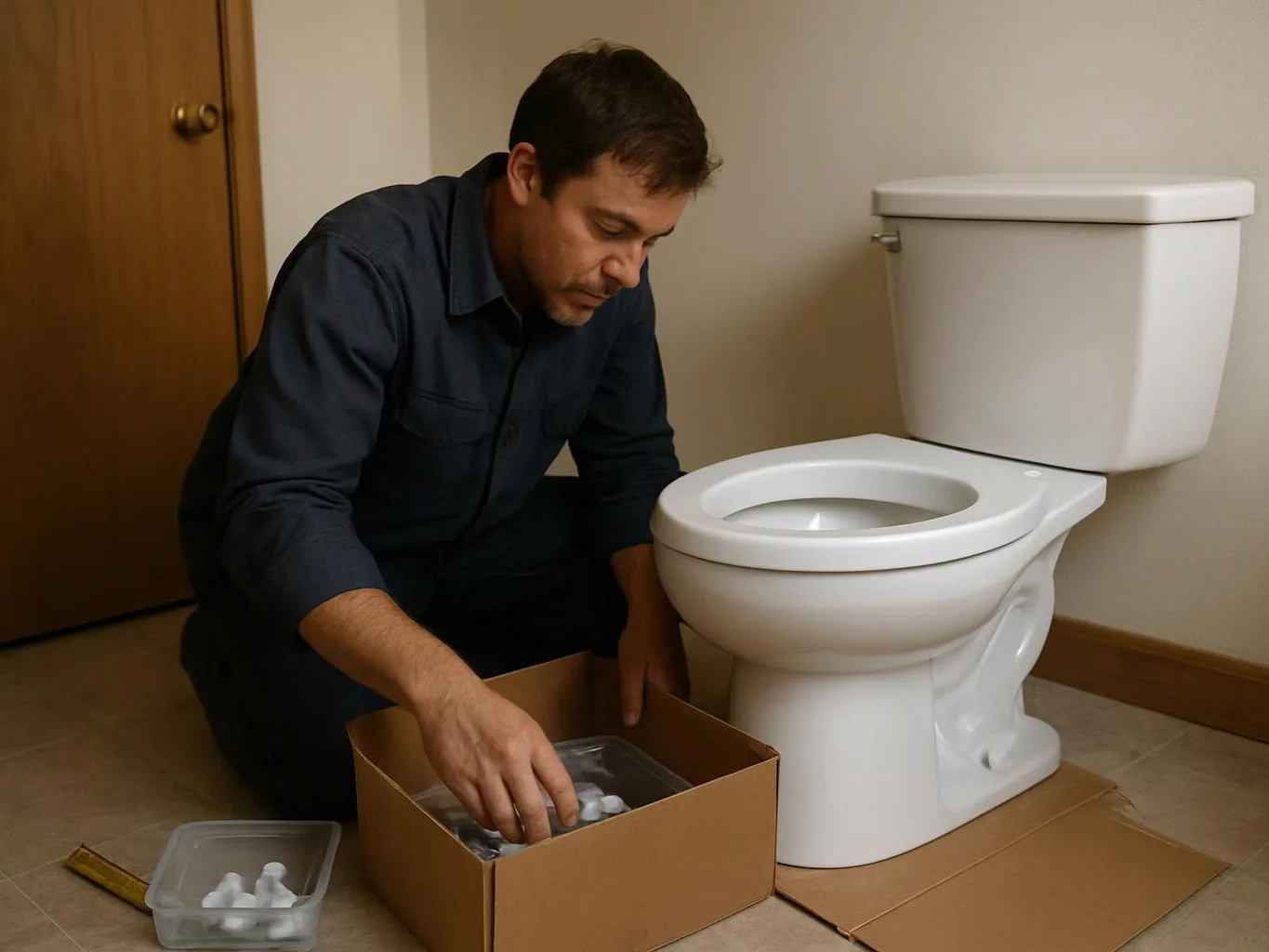
What a Plumber Can Help With: Common Services and When to Call
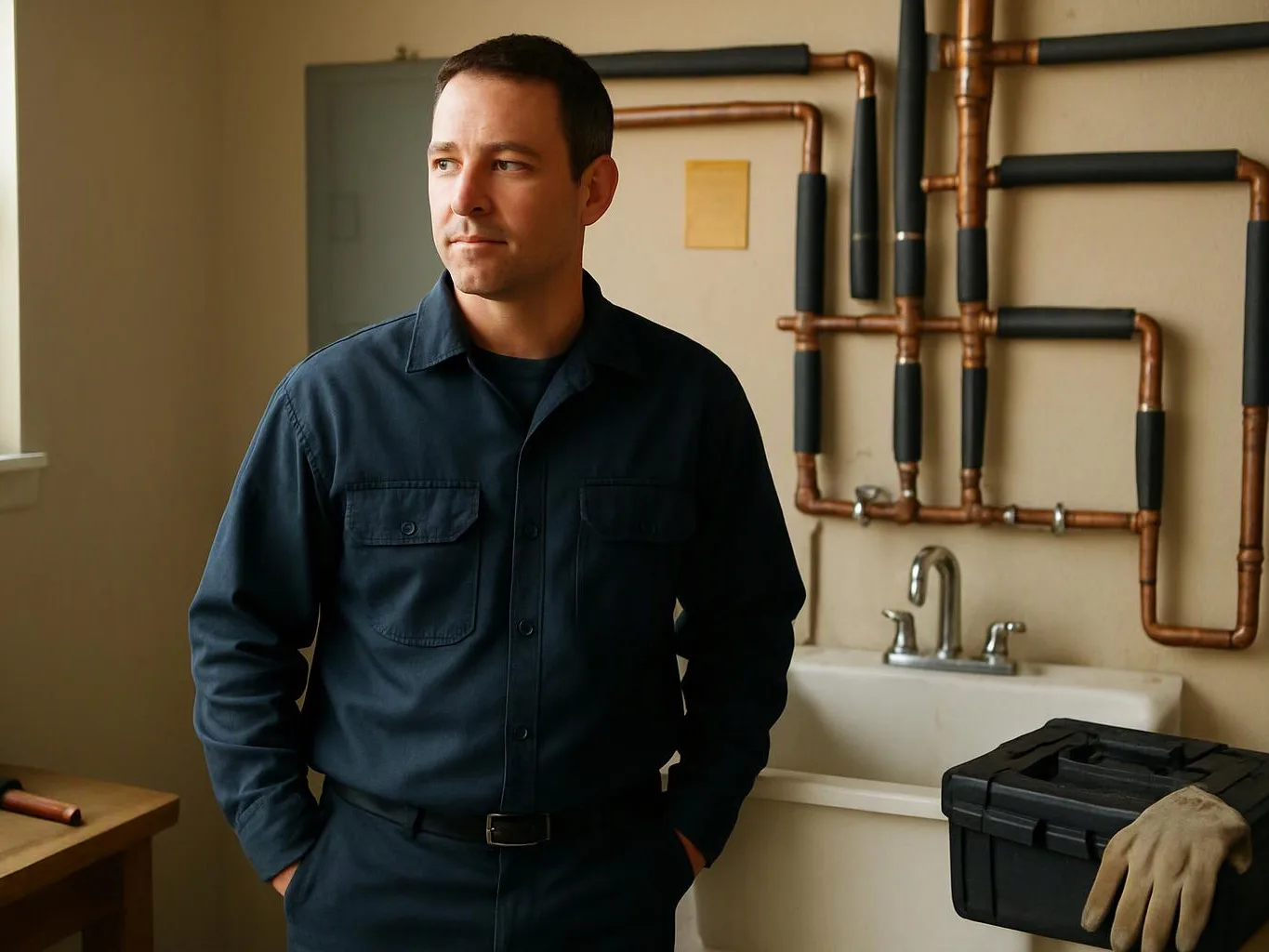
A plumber installs, maintains, diagnoses, and repairs plumbing systems, including toilets, faucets, water heaters, drains, and sewer lines. PlumbingMaplevalley.com explains which problems need prompt attention and how our team approaches each service.
Request an EstimateWhat Does a Plumber Do?
A plumber installs, maintains, diagnoses, and repairs systems that move water into and wastewater out of a building.
A plumbing system includes the water supply, drainage system, fixtures, and sewer line. We check how these parts work together when a fixture fails, water pressure changes, or wastewater stops flowing.
Our plumbing maintenance work can include checking connections, finding leaks, clearing blockages, and reviewing pipe condition. We also explain the repair options before work begins.
Which Plumbing Services Can We Help With?
PlumbingMaplevalley.com helps with fixture repairs, water heater problems, drain blockages, sewer line issues, and urgent plumbing failures.
Our team matches the service to the symptom and the affected part of the system. The table shows common reasons to contact us.
| Service | Common problem | What we check |
|---|---|---|
| Emergency plumbing | Burst pipe, uncontrolled leak, or sewage backup | Water control, damage risks, and the source of the failure |
| Toilet repair | Overflowing, leaking, or poorly flushing toilet | Supply connection, tank parts, bowl, and drain path |
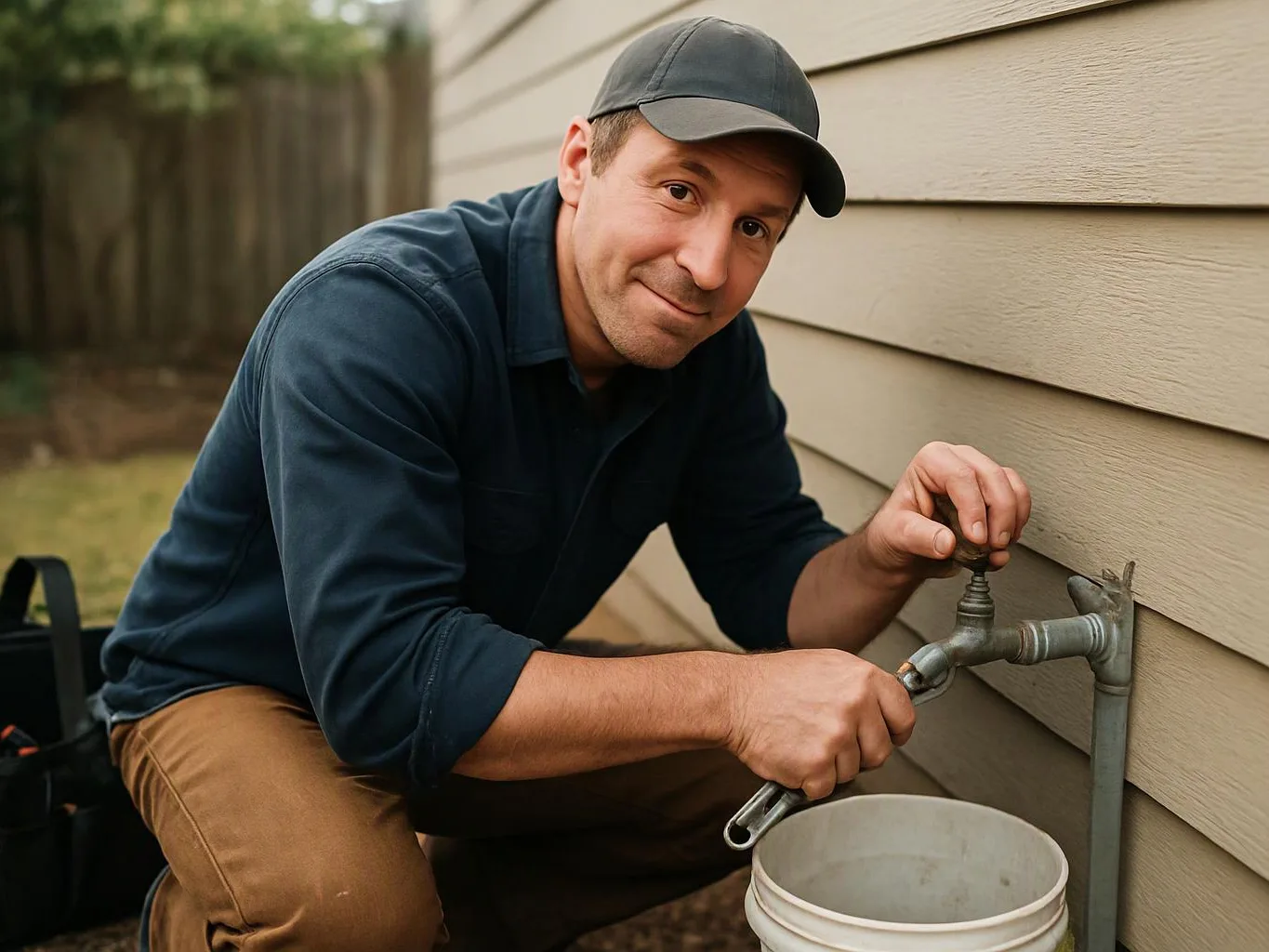
| Faucet repair | Dripping faucet or weak flow | Cartridge, seals, connections, and water pressure |
| Water heater repair | No hot water, leaks, or unusual operation | Connections, controls, tank condition, and safety concerns |
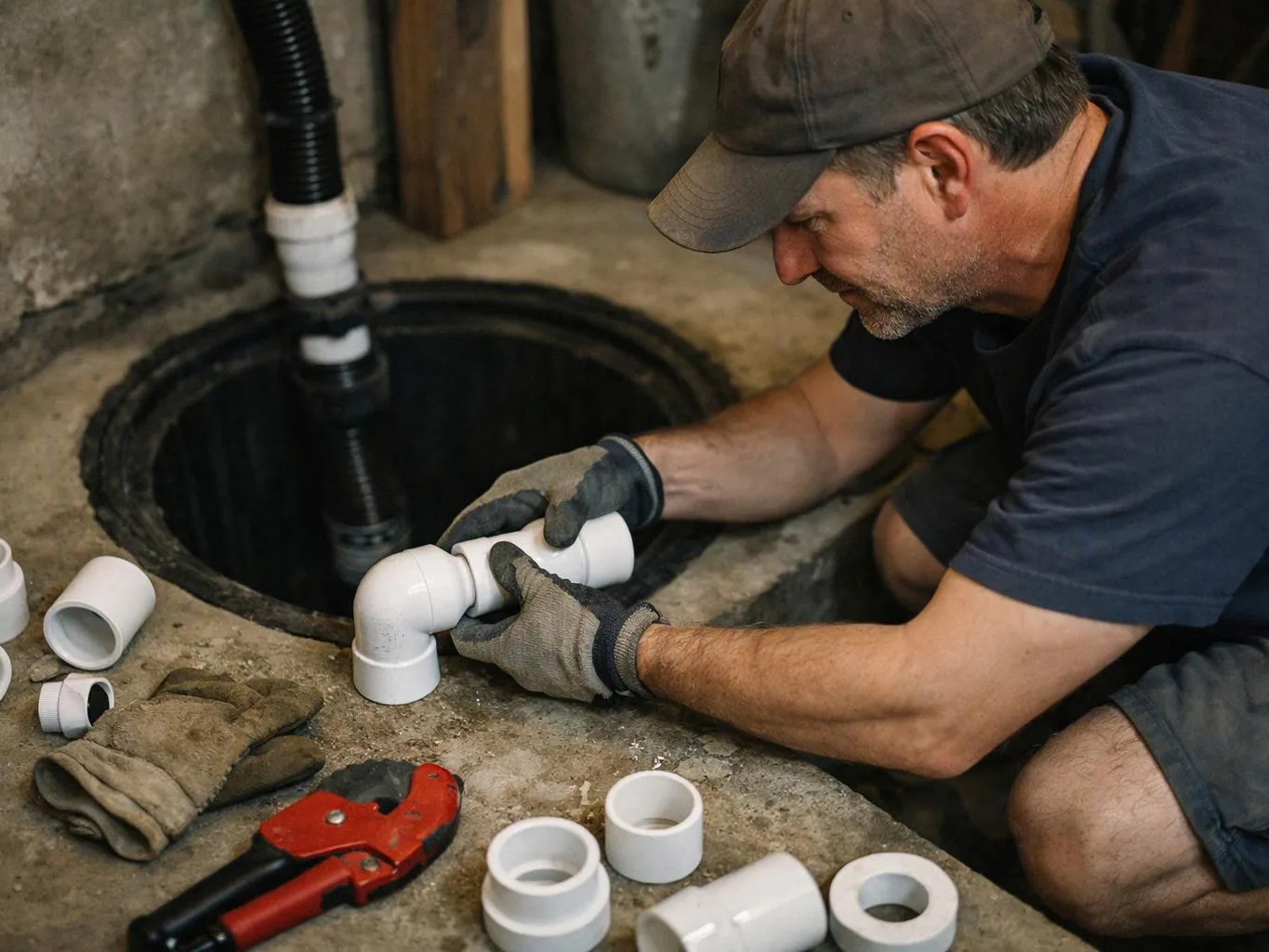
| Drain cleaning | Slow drain or pipe blockage | Blockage location, pipe condition, and drainage flow |
| Sewer line repair | Recurring backups or damaged sewer pipe | Flow problems, pipe damage, and repair access |
When Should You Call a Plumber for a Clogged Drain?
You should call PlumbingMaplevalley.com when a clog keeps returning, affects multiple drains, causes backups, or does not clear with safe basic measures.
A slow drain can point to buildup near the fixture. A recurring blockage can point to a deeper pipe problem. Multiple blocked drains may signal an issue in the main drainage system.
We use drain cleaning methods suited to the blockage and pipe condition. Aggressive products can harm some pipes, so contact us when the cause isn't clear.
How Is a Plumber Different From a Drain Cleaning Service?
A plumber can assess the wider plumbing system, while drain cleaning focuses mainly on removing blockages from drain and sewer pipes.
Drain cleaning can help when the main issue is a simple pipe blockage. Our team also checks for water supply problems, pipe damage, fixture failure, and sewer line concerns.
Choose a broader plumbing inspection when the blockage returns, several drains are affected, or water damage appears. We can then explain whether cleaning or plumbing repair fits the condition.
| Question | Plumber | Drain cleaning service |
|---|---|---|
| Main focus | The full plumbing system | Drain and sewer pipe blockages |
| Problems assessed | Water supply, fixtures, pipes, drains, and sewer lines | Flow restrictions and pipe blockages |
| Best fit | Recurring clogs, leaks, pipe damage, or several symptoms | A clear, isolated drain blockage |
Which Plumbing Problems Are Emergencies?
A plumbing problem is an emergency when water can't be controlled, sewage is backing up, or the damage threatens the building or safety.
These warning signs call for prompt action:
Move people away from unsafe areas and use the water shutoff if you can reach it safely. Contact our Emergency Plumbing team when the problem is uncontrolled or threatens the building.
What Happens When We Inspect a Plumbing Problem?
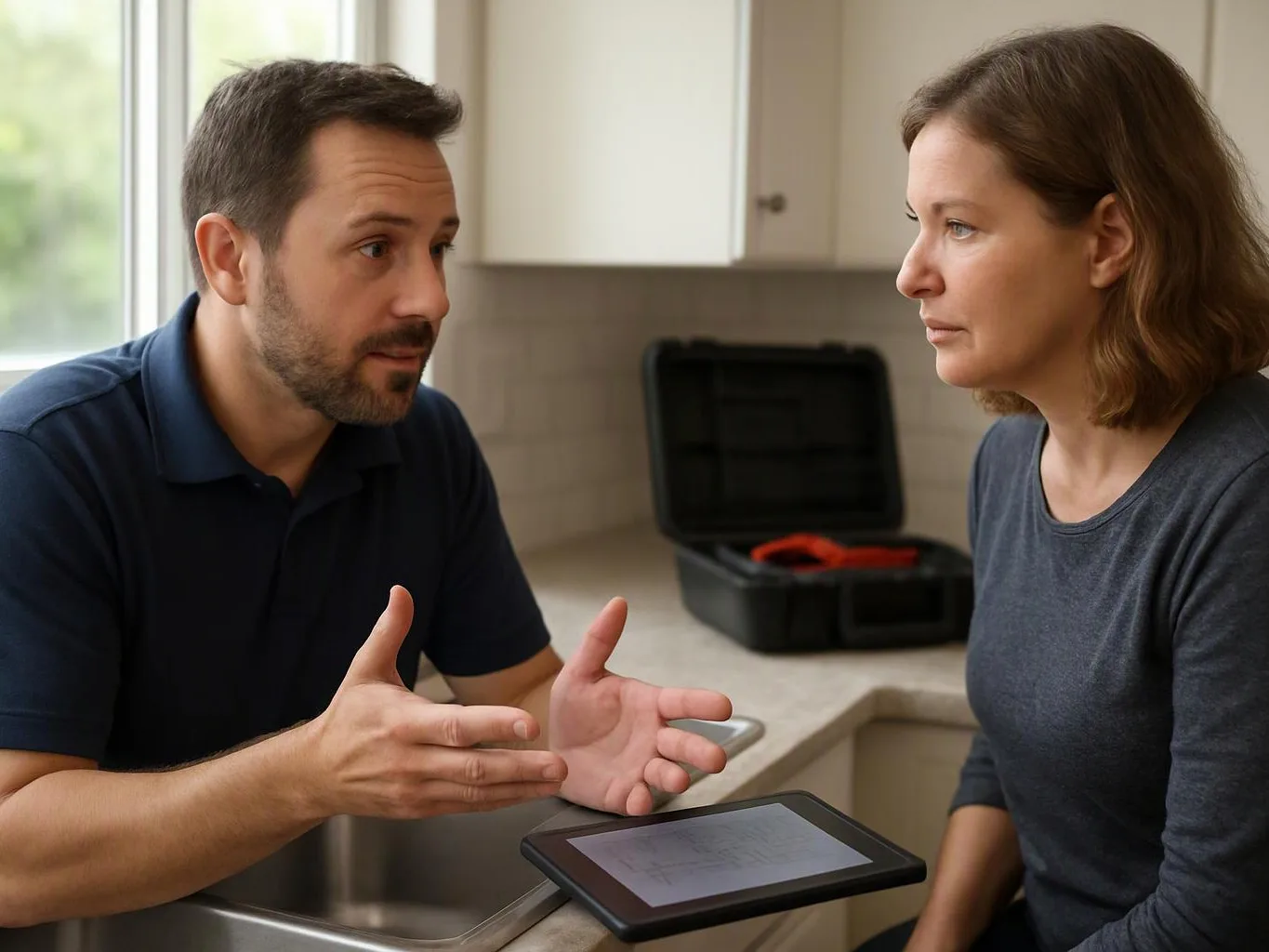
A plumbing inspection starts with the symptoms you describe and ends with clear repair options and a quote.
Our team follows safe work practices and considers applicable code and inspection needs. Regulated plumbing, gas, and water heater work should be handled by licensed professionals.
What Should You Check Before Calling Us?
Check the fixture, nearby shutoff valve, and visible water leak before calling us.
If a toilet, faucet, or appliance is leaking, look for its local shutoff valve. Stop using the fixture when continued use could worsen water damage.
Note whether the drain blockage affects one fixture or several. Also tell us about sewage backup, low water pressure, unusual sounds, or a plumbing emergency.
If you can't find the main water shutoff, don't delay when water is spreading. Our team can help identify the source and plan the safest next step. Use our contact page to request a quote.
Questions About Choosing Plumbing Services
Can a plumber fix low water pressure?
Yes, a plumber can diagnose and repair low water pressure when a supply line, valve, leak, fixture, or blockage causes it. We check whether the issue affects one fixture or the whole plumbing system.
Can a plumber repair a leaking pipe inside a wall?
Yes, a plumber can locate and repair a leaking pipe inside a wall. We use leak detection clues, inspect accessible areas, and explain the repair access needed.
Can a plumber tell if a sewer line is damaged?
Yes, a plumber can assess signs of sewer line damage. We review recurring backups, drainage flow, pipe condition, and the location of the problem before recommending sewer line repair.
Should I call a plumber for an overflowing toilet?
Yes, call a plumber for an overflowing toilet when the water won't stop or the blockage won't clear safely. Shut off the toilet's supply valve if you can reach it without touching contaminated water.
What should I do if I can't find my main water shutoff?
If you can't find the main water shutoff, limit water use and contact our team when a leak is active. We can help locate the shutoff and address the water leak safely.