Which materials can be repaired in a residential water line for Water Line Repair?
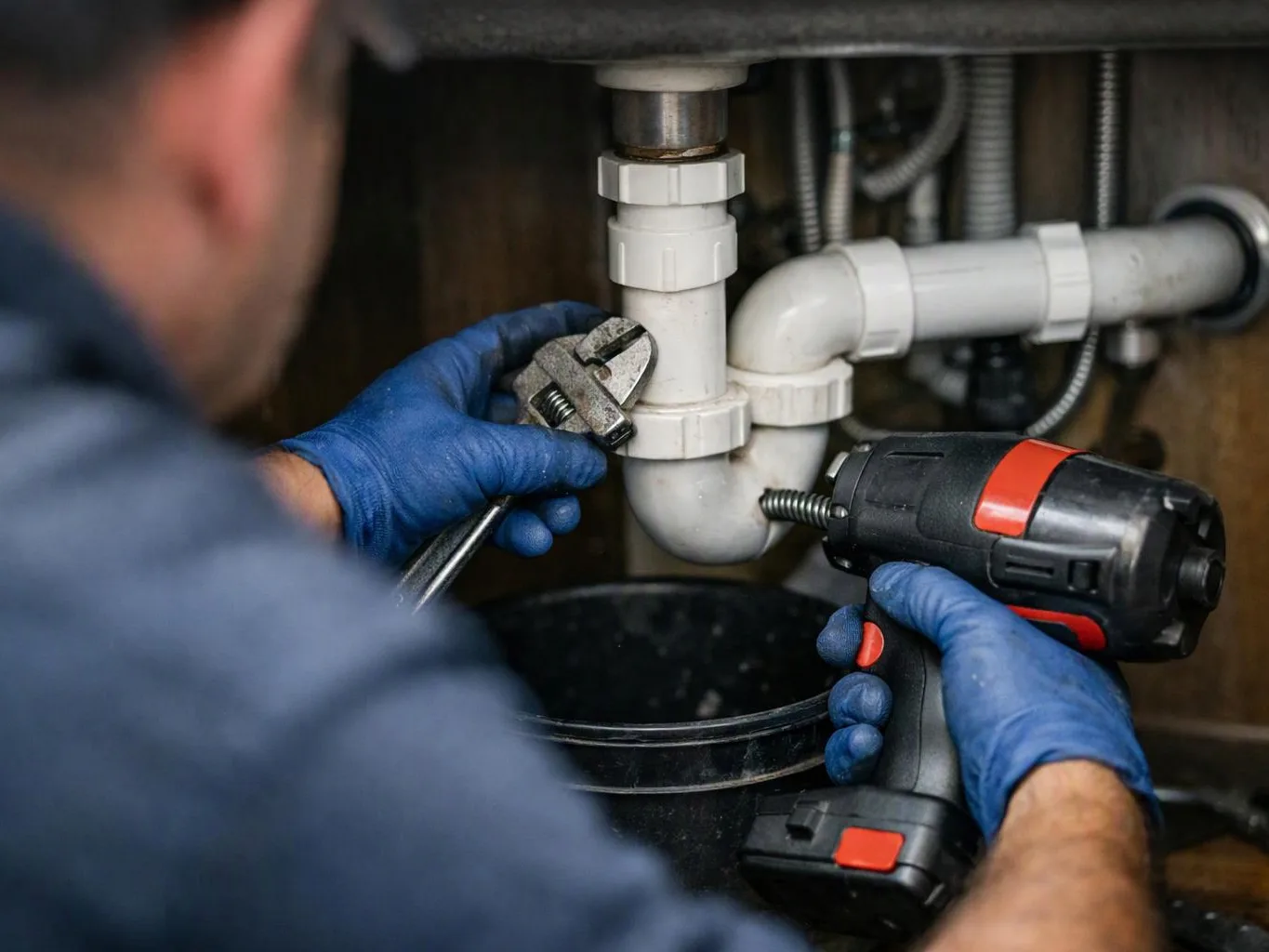
PEX tubing, copper pipe, PVC pipe, galvanized steel, and polybutylene pipe can each require a different repair decision. The material, condition, fittings, and access guide the work. A plumber checks the damaged section and nearby joints before recommending a spot repair or replacement. That review helps prevent a fitting mismatch or a repair that leaves weak pipe in place.
How does a plumber tell whether one section or more needs repair?
The visible leak location does not always mark the full repair scope. A plumber checks nearby joints, corrosion, pipe movement, pressure symptoms, and accessible sections around the failure. Pinhole damage in copper or restricted galvanized steel may point to wider concerns. The estimate explains whether a focused repair fits the condition or whether more pipe needs attention.
What part of a home changes the repair approach?
Access changes the repair approach because lines may run inside cabinets, walls, ceilings, crawl spaces, or under floors. The plumber considers the pipe path, shutoff location, nearby fixtures, and safe work access. A visible connection may support a focused repair, while concealed damage can require a broader access plan and scope review.
When should a low-pressure problem be checked as a supply line issue?
Low pressure at several fixtures deserves a supply line check, especially when one fixture does not explain the change. The review separates a clogged aerator, faulty shutoff, restricted pipe, and leaking line. Record which fixtures have low pressure and whether the issue changes when other fixtures run. That detail helps guide the initial assessment.
Why can a pipe material change the repair plan?
Pipe material changes the fittings, connection method, handling, and replacement choices. PEX tubing is flexible, while copper, PVC, galvanized steel, and polybutylene pipe have different repair concerns. The plumber identifies the existing material before setting the scope. A compatible repair protects the connection and helps avoid damage to nearby pipe.
What should a property owner do before the plumber assesses a leak?
A property owner should limit water use, protect nearby belongings, and close an accessible shutoff when safe. Photos of the wet area, pipe, fixtures, and visible fittings can help explain the problem. Do not cut into a wall or remove pipe before assessment. The plumber needs the area and nearby connections available for inspection.