How can low pressure show that my water line needs repair for Water Line Repair?
Low pressure across several fixtures can indicate a damaged or leaking water line. A single weak faucet points more often to a fixture, shutoff, or aerator issue. We check the main supply, test pressure, and trace leaks before choosing a repair. Note whether the problem affects hot water, cold water, or both, because that detail helps narrow the fault.
What part of the property decides the repair scope?
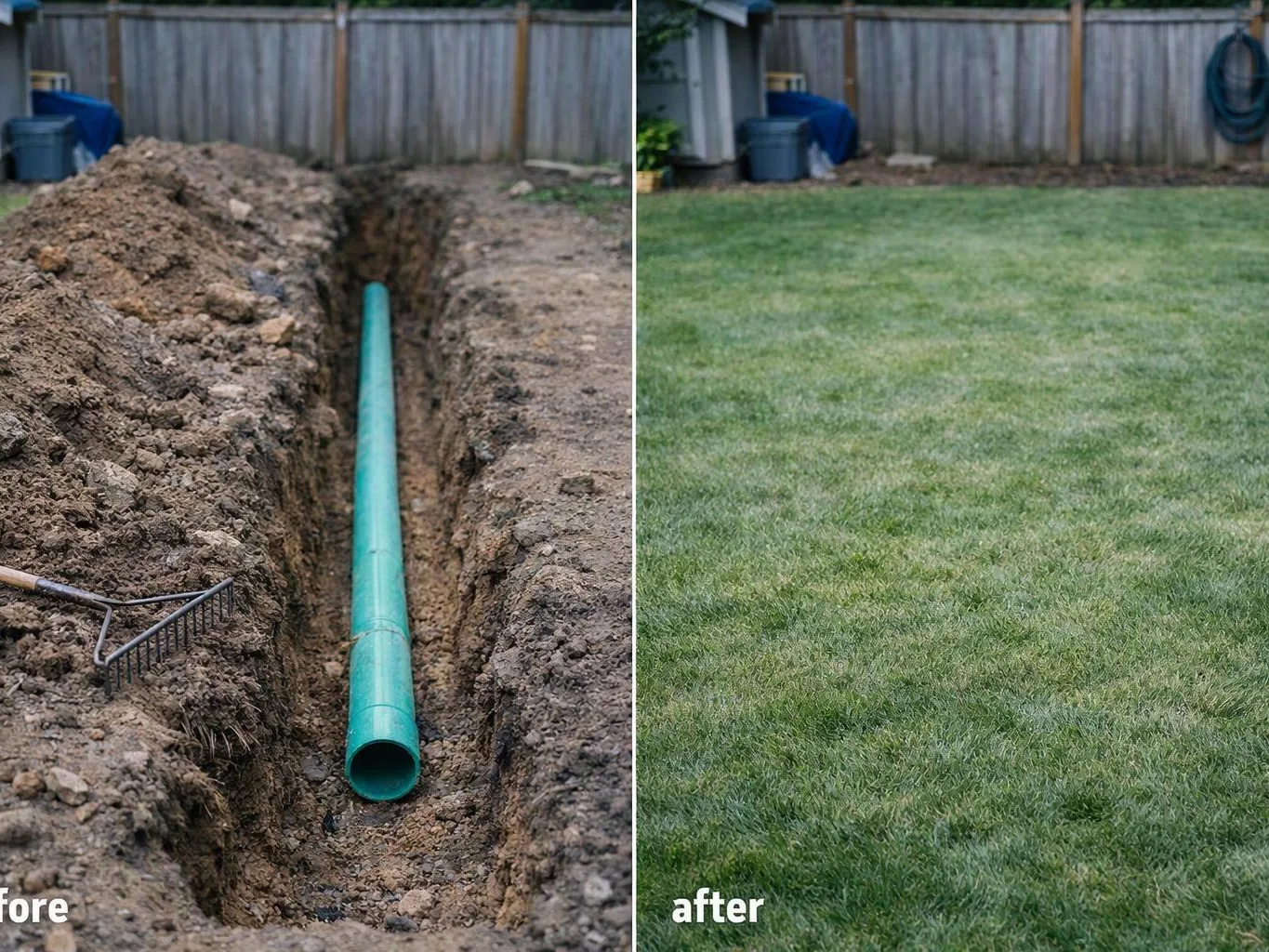
The damaged line’s location decides much of the repair scope. Access under a slab, driveway, floor, or landscaped area changes how the pipe can be reached. Pipe condition also matters because one cracked section may need a spot repair, while corrosion across a longer run may call for replacement. We explain the access and pipe findings before work begins.
Which signs point to an underground water leak for Water Line Repair?
Wet ground, unexplained moisture, sinking soil, or a sudden water-flow change can point to an underground leak. Indoor signs include damp walls, ceiling spots, or pressure loss across several fixtures. We use leak detection and pressure testing to narrow the route. Keep clear of soft ground and protect the main shutoff until the line is assessed.
When should I shut off the main water supply?
Shut off the main supply when water is actively entering the building or a pipe crack is spreading water. The main valve can limit damage until the line is checked. Open a faucet briefly to relieve pressure, then avoid using fixtures connected to the damaged line. If the valve will not close, tell us where it is during scheduling.
Why does water turn discolored after a line problem?
Discolored water can come from corrosion or disturbed material inside a damaged supply line. The color, smell, and fixtures affected help guide the inspection, but they do not identify the fault alone. Avoid drinking water that looks unusual until the source is checked. We can assess the pipe, connections, and affected section before recommending repair.
How does the first appointment move from inspection to repair?
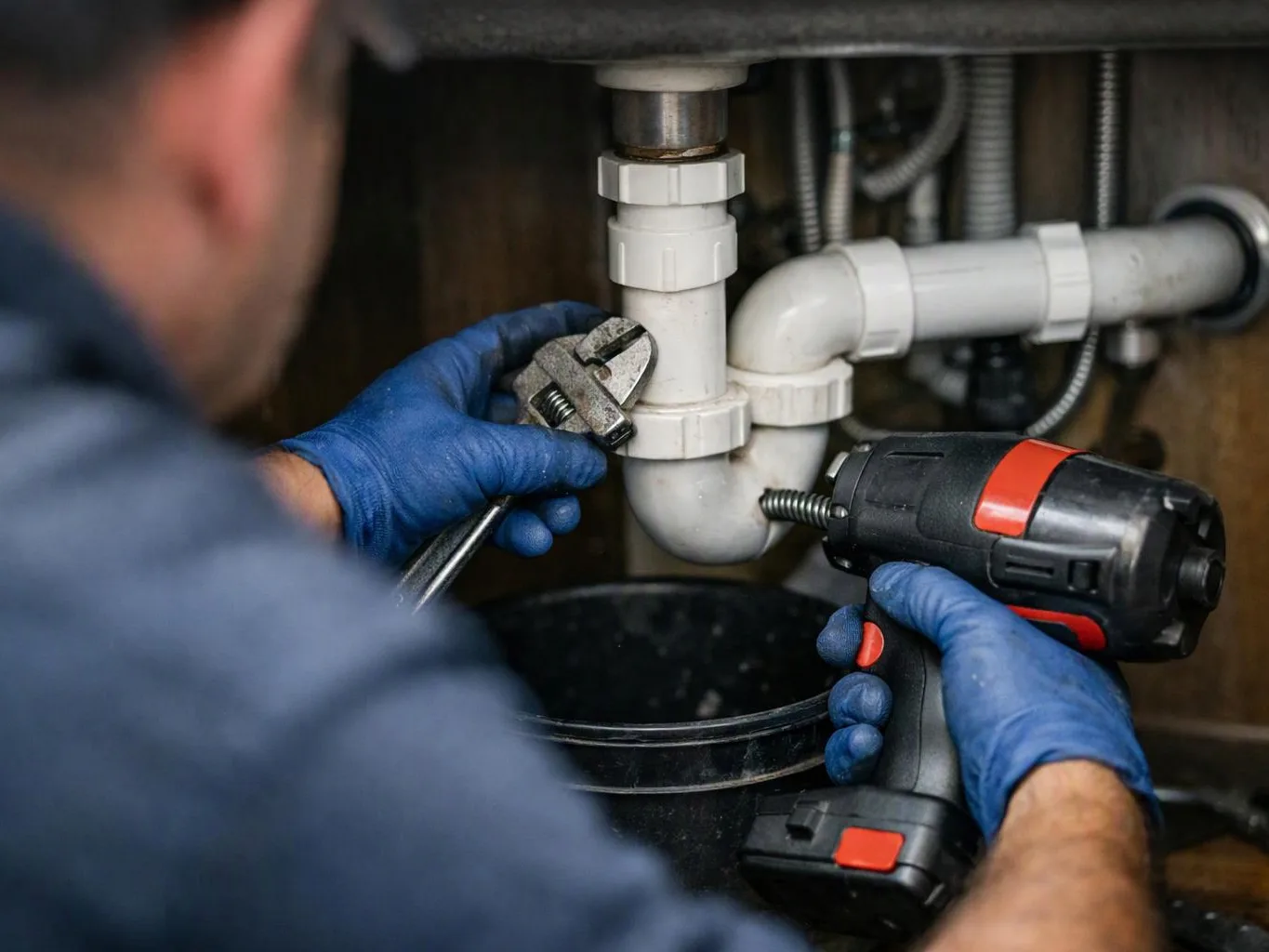
The first appointment moves from symptom review to testing, fault tracing, scope selection, and an estimate. We identify the affected fixtures, inspect accessible pipe, and test the supply line. The repair plan then addresses a spot repair, reroute, or replacement when supported by the findings. Work begins after the scope and upfront estimate are explained.
What should I share when requesting an assessment in Puyallup?
Photos of wet areas, the main shutoff, and affected fixtures help us understand the water line problem before assessment. Note when the issue began, whether several fixtures are affected, and whether water looks discolored. Access details also matter if the suspected line runs under a slab, driveway, or floor. These facts help shape the inspection.