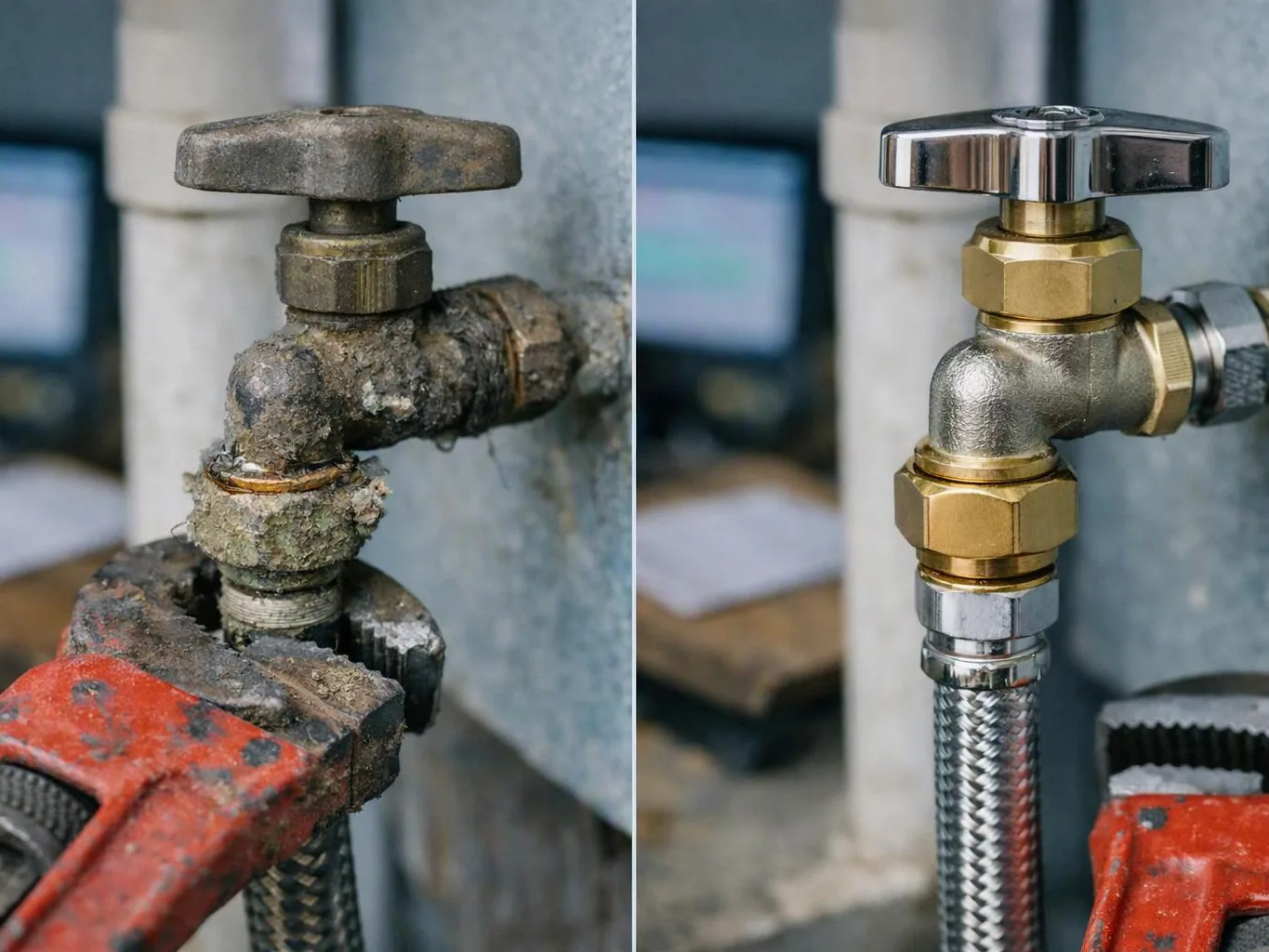
Tankless Water Heater Problems: Symptoms That Need Attention
Tankless water heater problems often show up as shutdowns, no hot water, changing temperatures, leaks, strange sounds, or error codes. At PlumbingMaplevalley.com, we check the water, fuel, venting, electrical parts, and internal components to identify whether repair or replacement fits the problem.
Request an EstimateWhat Symptoms Show a Tankless Water Heater Needs Attention?
Tankless water heater problems need attention when the unit stops heating, changes temperature, shuts down, leaks, makes unusual sounds, or displays an error code. Early checks can prevent a small fault from damaging other parts.
Stop using the unit if you smell gas, see active leaking, or notice damaged wiring. Our team can determine whether the problem needs repair, safety work, or replacement.
Why Does a Tankless Water Heater Keep Shutting Off?
A tankless water heater may keep shutting off when water flow, fuel, airflow, electrical power, or temperature protection prevents safe operation. The control system may stop the burner or heating element when readings fall outside safe limits.
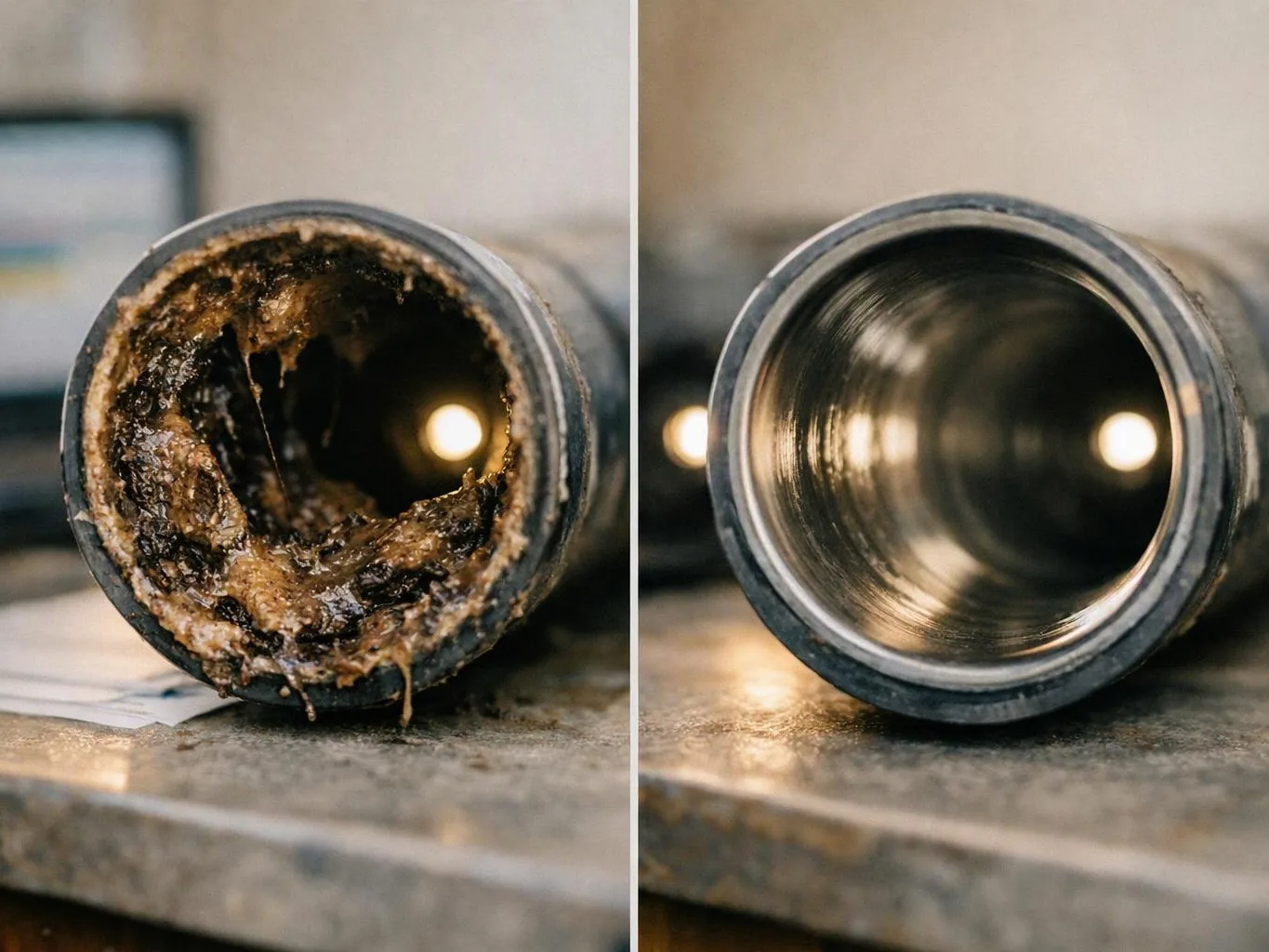
Low water flow can prevent the water flow sensor from activating the unit. A clogged inlet filter and scale buildup can restrict flow further. Overheating protection may also shut the system down when mineral deposits limit heat transfer.
Gas supply problems can affect burner operation and flame stability. Electrical supply faults can interrupt the control board, heating element, or ignition system. Venting restrictions can also trigger a safety shutdown because combustion gases cannot move correctly.
We test the related systems before resetting the unit. Repeated resets can hide the cause and may leave a safety problem unresolved.
Why Is There No Hot Water From a Tankless Water Heater?
A tankless water heater may produce no hot water when the unit cannot detect flow, ignite, power its heating parts, or maintain the required fuel supply. The correct diagnosis depends on whether the unit shows an error code or stays completely inactive.
A failed water flow sensor can prevent startup even when a fixture is open. An ignition system, flame sensor, or gas valve problem can stop a gas model from heating. An electric model may have a failed heating element or tripped circuit breaker.
Temperature settings can also cause water to feel cold when the selected setting is unsuitable for the fixture. A cold-water crossover can mix untreated cold water into the hot line. We check the plumbing demand and controls before deciding on tankless water heater repair.
What Causes Tankless Water Heater Temperature Fluctuations?
Tankless water heater temperature fluctuations usually come from changing flow, scale, system capacity, inlet temperature, or plumbing crossover. The unit must sense steady flow and transfer heat at the required rate.
Rapid changes in water flow can make the control system adjust heating output. Mineral scale can reduce heat transfer and cause unstable temperatures. Cold inlet water also requires more heating capacity.
An undersized system may struggle when several fixtures run together. A cold-water sandwich can create a brief cold burst when water remains in the pipes between uses. A faulty mixing valve can add cold water to the hot line.
We compare the temperature setting, water flow, and plumbing demand. That check shows whether the issue involves the unit, the installation, or the home’s hot-water use.
What Do Tankless Water Heater Error Codes Mean?
A tankless water heater error code identifies a fault category, but the exact meaning depends on the manufacturer and model. The manufacturer service manual provides the correct code definition and testing procedure.
| Error category | Possible area to inspect | Why the code matters |
|---|---|---|
| Ignition failure | Ignition system, gas valve, or fuel supply | The burner may not start safely. |
| Flame detection | Flame sensor or burner operation | The controls may stop fuel delivery. |
| Overheating | Heat exchanger, flow, or temperature controls | Protection may shut down heating. |
| Water flow | Flow sensor, inlet filter, or plumbing demand | The unit may not detect enough flow. |
| Venting | Vent pipe and airflow path | Safe combustion airflow may be interrupted. |
| Electrical fault | Circuit, wiring, control board, or heating element | The system may lose power or control. |
Record the displayed code and model information before contacting us. We use that information with the service manual, then test the suspected cause instead of replacing parts based only on the code.
Which Tankless Water Heater Problems Can You Check Safely?
You can check the display, visible leaks, valve position, and electrical panel, but gas, electrical, venting, and internal faults need PlumbingMaplevalley.com. Safe checks should help you describe the problem without opening the appliance.
Do not reset an error code when gas odor, active leaking, damaged wiring, or blocked venting may be present. Our team can handle regulated diagnosis and safety testing.
How Does PlumbingMaplevalley.com Diagnose Tankless Water Heater Problems?
PlumbingMaplevalley.com diagnoses tankless water heater problems by connecting symptoms to flow, heating, fuel, electrical, venting, and component conditions. We start with the reported symptom and the unit’s error history.
Our team checks water flow and temperature at the fixtures. We inspect gas pressure on gas models and electrical connections on electric models. We also review venting for correct airflow and signs of restriction.
We inspect the heat exchanger, burner, heating element, inlet filter, and related controls as the symptoms require. Code and inspection criteria matter when installation or venting changes are involved.
We explain whether the fault is isolated and repairable. Our recommendation considers repairability, replacement parts, recurring faults, system capacity, and installation requirements.
What Are the Common Causes of Tankless Water Heater Problems?
Common tankless water heater problems come from scale, restricted flow, installation issues, supply faults, venting problems, and worn components. These causes can affect gas and electric water heating systems in different ways.
Some causes overlap, so one symptom may have more than one source. We test the system before choosing a repair or replacement path.
How Can You Prevent Tankless Water Heater Problems?
You can reduce tankless water heater problems through manufacturer-approved maintenance, clean filters, suitable water treatment, and early attention to warning signs. Maintenance helps protect flow, heat transfer, and safety controls.
Maintenance should follow the manufacturer’s instructions and the installation requirements. We can check the system when cleaning does not correct the symptom.
Should a Tankless Water Heater Be Repaired or Replaced?
A tankless water heater should be repaired when the fault is isolated and serviceable, while replacement may fit repeated failures, major component damage, or unsuitable capacity. The decision depends on condition, safety, and system performance.
Repair may fit a cleanly identified sensor, filter, valve, ignition part, or control issue. Replacement parts must be available and suitable for the model. A damaged heat exchanger can change the decision because it is central to safe heat transfer.
Recurring faults may show that the system has a deeper installation or capacity problem. We also consider energy use, current water demand, venting, gas supply, and electrical requirements.
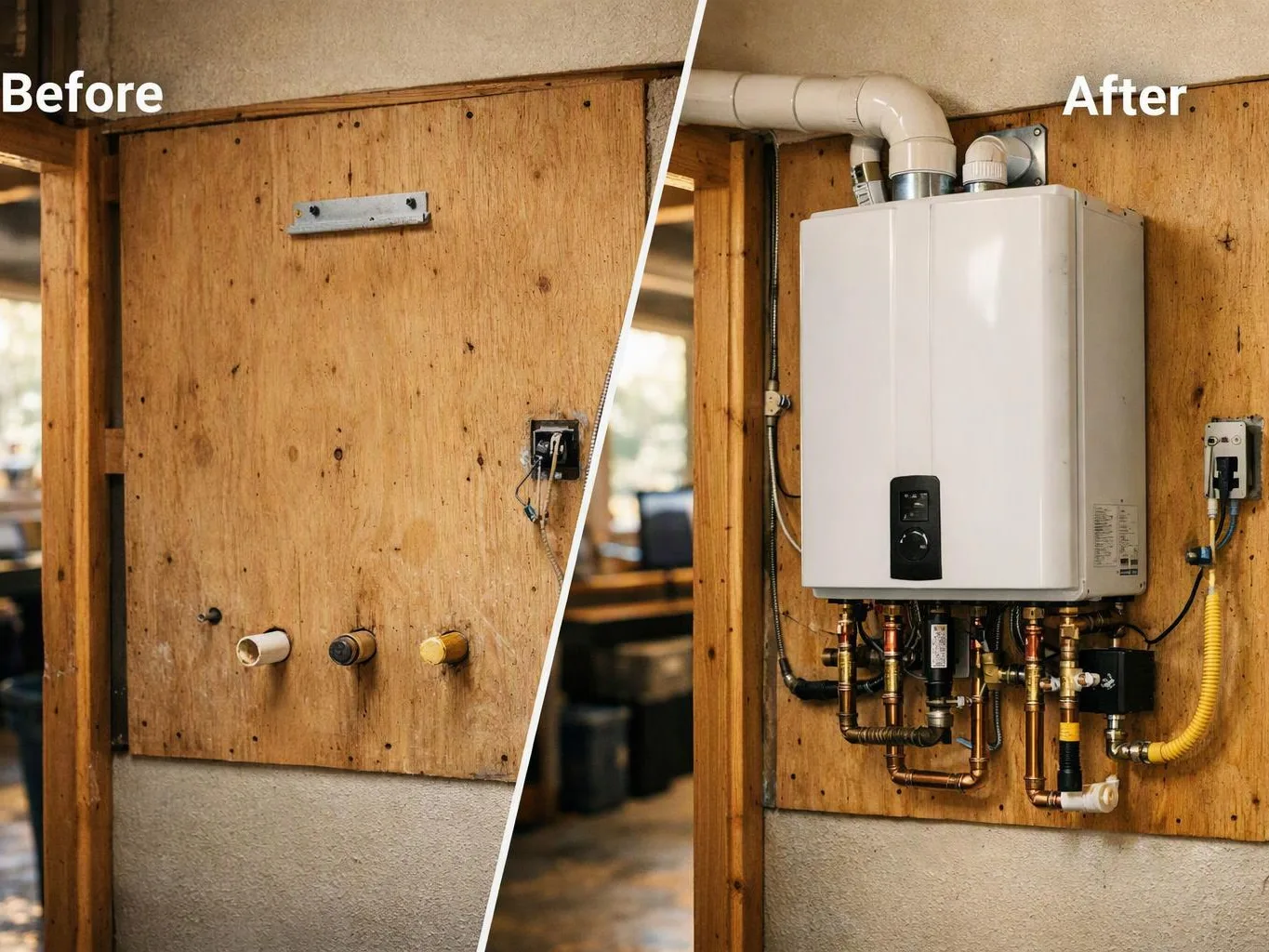
Tankless water heater installation may be appropriate when the existing system cannot meet demand or no longer supports safe operation. We explain the trade-offs before recommending repair or replacement.
What Does Tankless Water Heater Repair Include?
Tankless water heater repair includes diagnosis, fault isolation, approved component work, safety checks, and confirmation that the unit heats water correctly. We match the work to the cause instead of treating the symptom alone.
Our process can include a diagnostic inspection, error history review, water flow testing, temperature testing, and inspection of the heat exchanger. We may also service the inlet filter, correct approved venting issues, or address a confirmed supply fault.
Gas and electrical work requires trained handling and proper safety testing. We check the unit after repair and confirm that controls, water flow, heating performance, and safety shutoffs operate as intended.
For help with a fault that needs inspection, our tankless water heater repair service connects the symptom with the correct next step.
Questions About Tankless Water Heater Problems
Can hard water damage a tankless water heater?
Yes, hard water can cause mineral deposits that restrict flow and reduce heat transfer. Descaling and suitable water treatment can help protect the heat exchanger.
Can a dirty filter cause a tankless water heater to stop working?
Yes, a dirty inlet filter can reduce water flow below the level needed for startup. You can check the filter only as the manufacturer allows, and our team can inspect restricted flow safely.
Is a tankless water heater error code safe to reset?
A tankless water heater error code is safe to reset only when the manufacturer permits it and no gas odor, leak, wiring damage, or venting concern exists. Repeated shutdowns need diagnosis instead of repeated resets.
What should you do if a tankless water heater is leaking?
A leaking tankless water heater needs prompt attention because water can damage nearby parts and surfaces. Stop using the unit, use the water isolation valve if safe, and contact our team for inspection.
Can low water pressure affect a tankless water heater?
Yes, low water pressure can reduce flow below the level needed to activate the unit or maintain steady heating. We check the inlet filter, flow sensor, plumbing demand, and household water supply.