When should I replace my home water line?
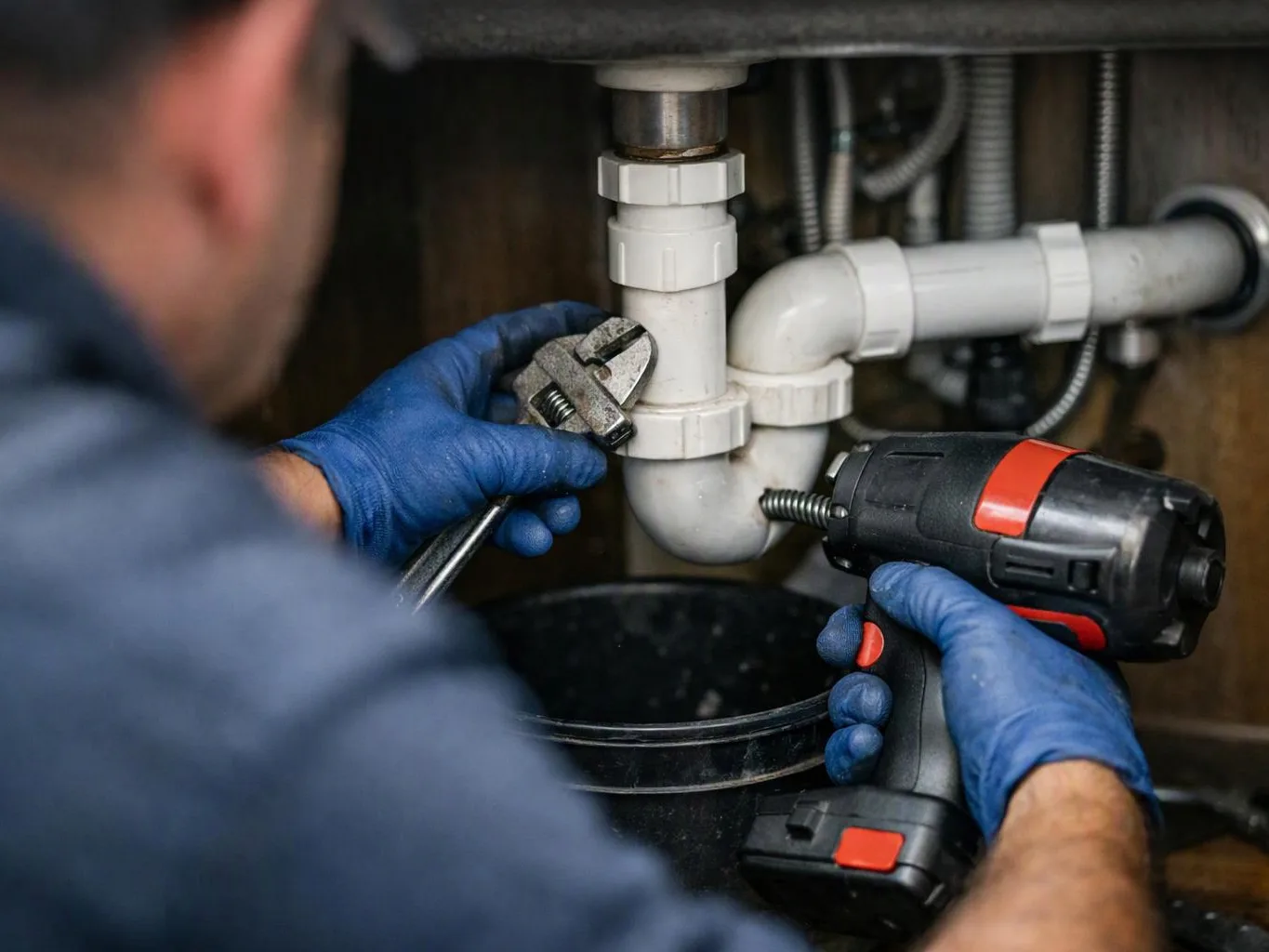
Frequent leaks are a strong reason to consider replacement when inspection finds recurring damage or corrosion. Low pressure, discolored water, and repeated repairs can support that decision. A plumber should first separate the supply line from indoor fixtures, valves, and appliances. Replacement fits a line with broader failure, while a spot repair may fit one isolated damaged connection.
How do you tell whether the leak is in the main water line?
The leak source becomes clearer after checking pressure, shutoff points, exposed piping, and fixture behavior. A supply line issue often affects more than one fixture or creates unexplained water loss. Our team compares those signs with the location of wet areas and visible fittings. A faucet, toilet, or water heater leak needs a different repair scope.
What changes the quote for replacing a water line?
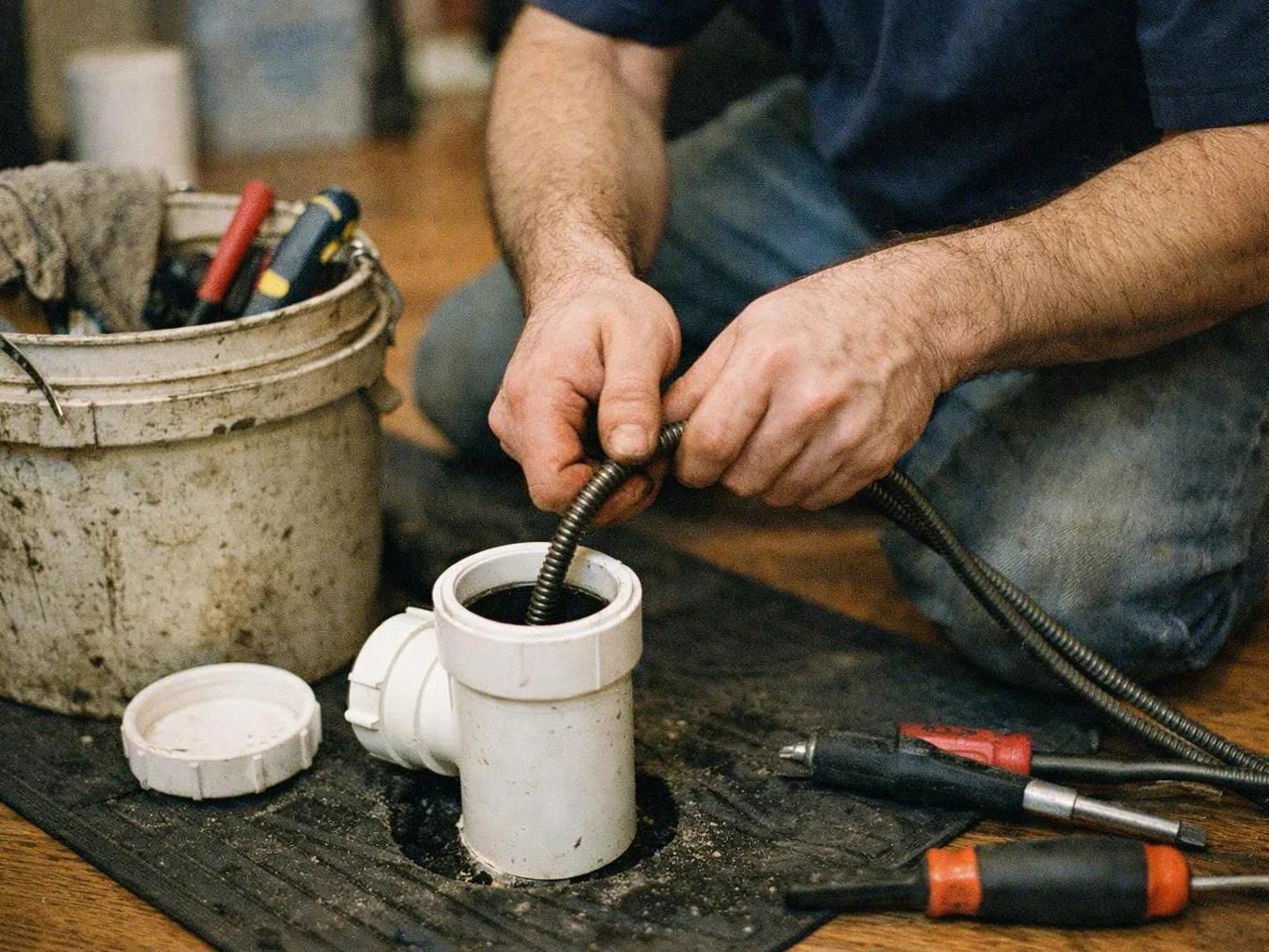
The damaged section, access route, pipe material, connected fixtures, and surrounding property work shape the quote. A line beneath finished areas may need more access planning than an exposed section. The estimate should also explain any isolation, removal, replacement, and testing included. We provide the estimate before work begins, so you can review the proposed scope.
Which pipe materials might fit an existing water line?
PEX piping, copper type L, and PVC Schedule 40 are materials that may fit a water line project. The existing system, connection points, property layout, and approved scope guide the choice. Material names alone don't decide the repair. We review the current line and explain the compatible option before replacement work starts.
Why does low pressure matter during a line assessment?
Low pressure can signal a leak, restricted valve, damaged supply pipe, or fixture problem. The symptom matters because replacement should address the cause, not just the visible effect. We compare pressure at several fixtures and inspect accessible connections. That check helps set a focused scope for the property.
What should I confirm before approving the replacement?
Confirm the damaged section, access plan, pipe material, connected fixtures, testing, and estimate scope. These details show what the work includes and what it does not include. Ask how the line will be isolated and how water flow will be checked afterward. Clear answers help homeowners and businesses plan around the repair.
Can a water line replacement address discolored water?
Water line replacement can address discoloration when inspection links it to damaged or corroded supply piping. Discoloration can also come from sediment, indoor pipes, or a fixture. We review when the color appears and whether it affects every tap before choosing the work. That diagnosis keeps a water line project focused on the actual source.