How do I know if my water heater needs repair?
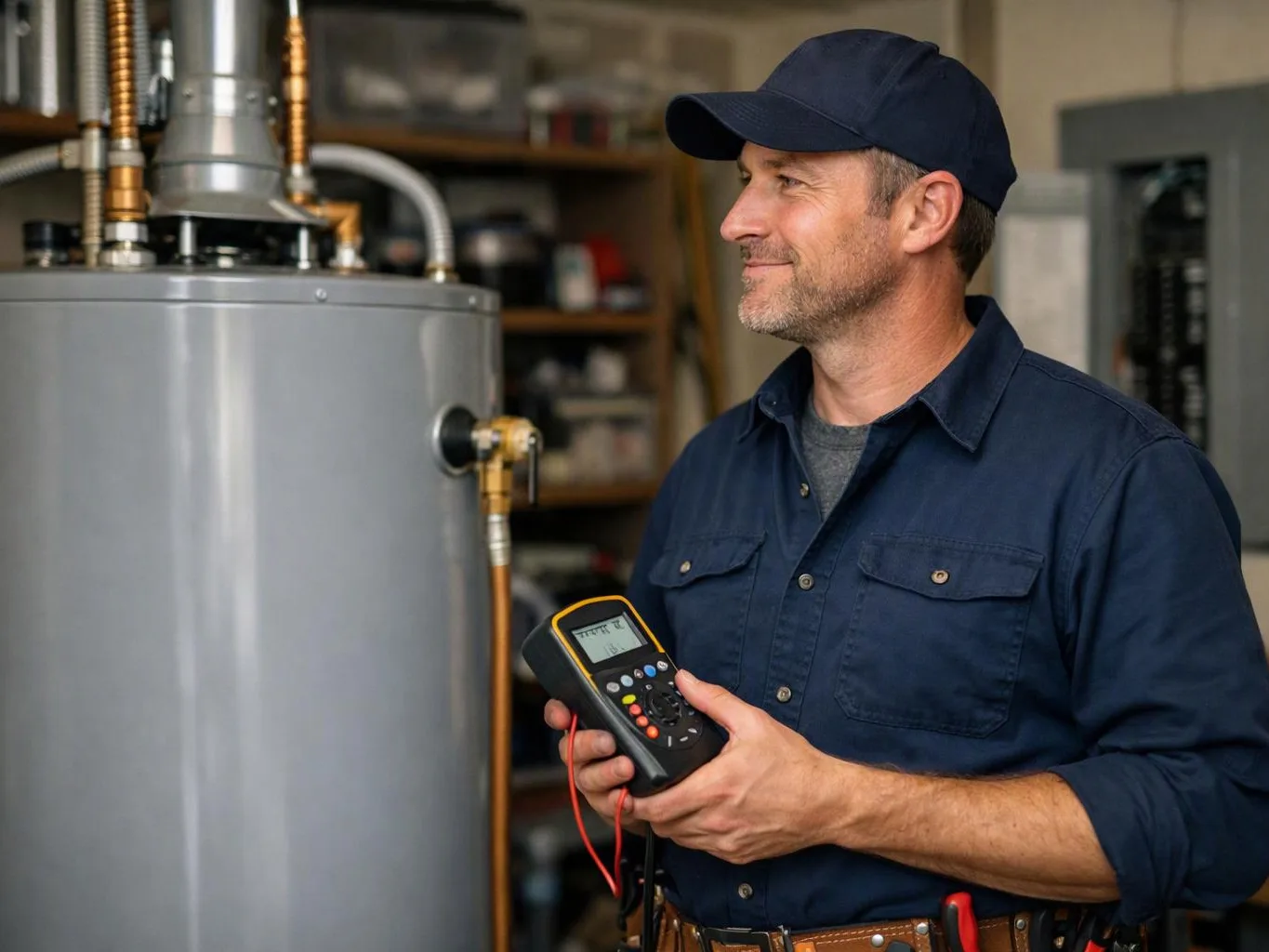
No hot water usually means the heater needs diagnosis, especially when the issue persists after basic controls are checked. A failed thermostat, heating element, burner control, valve, or connection can cause the symptom. We inspect the unit and explain the finding before work begins. Turn off the water supply if an active leak threatens nearby property.
What details should I confirm before approving the repair?
The repair scope, failed part, estimate, and expected system check should be clear before approval. Ask whether the issue comes from the tank, a control, a valve, or a connection. Ask what work is included and whether the unit's condition supports repair. We provide an upfront estimate before work begins.
Which conditions can change the repair plan on site?
Tank condition, access, fuel type, damaged connections, and the failed component can change the repair plan. A leaking fitting may need a focused repair, while damage to the tank body raises a replacement question. We inspect the unit first, then explain which condition affects the recommended work.
When should a water heater leak become urgent?
A leak becomes urgent when water is spreading, the tank is actively releasing water, or nearby property is at risk. Shut off the water supply if it is safe, and keep clear of damaged electrical parts. We can assess the source and explain whether the issue involves a valve, fitting, or tank.
Why does water temperature keep changing?
Temperature swings can result from a thermostat, heating element, burner control, flow issue, or changing demand. The heater needs a direct check because the symptom does not identify one part by itself. We test the related components and review how the unit serves the property before recommending repair.
How is a water heater matched to a property's layout?
A water heater is matched to the property's layout by checking access, connection points, fuel type, fixture demand, and the space around the unit. Homes and businesses may need different repair planning because their hot water use differs. We review these conditions before setting the work scope.
What should I do if the heater makes strange noises?
Strange noises deserve an inspection because sediment, heating parts, or pressure changes can affect a water heater. Do not open gas controls or remove safety parts yourself. Note when the sound occurs and whether temperature changes follow it. We use that information to focus the inspection and explain the repair options.