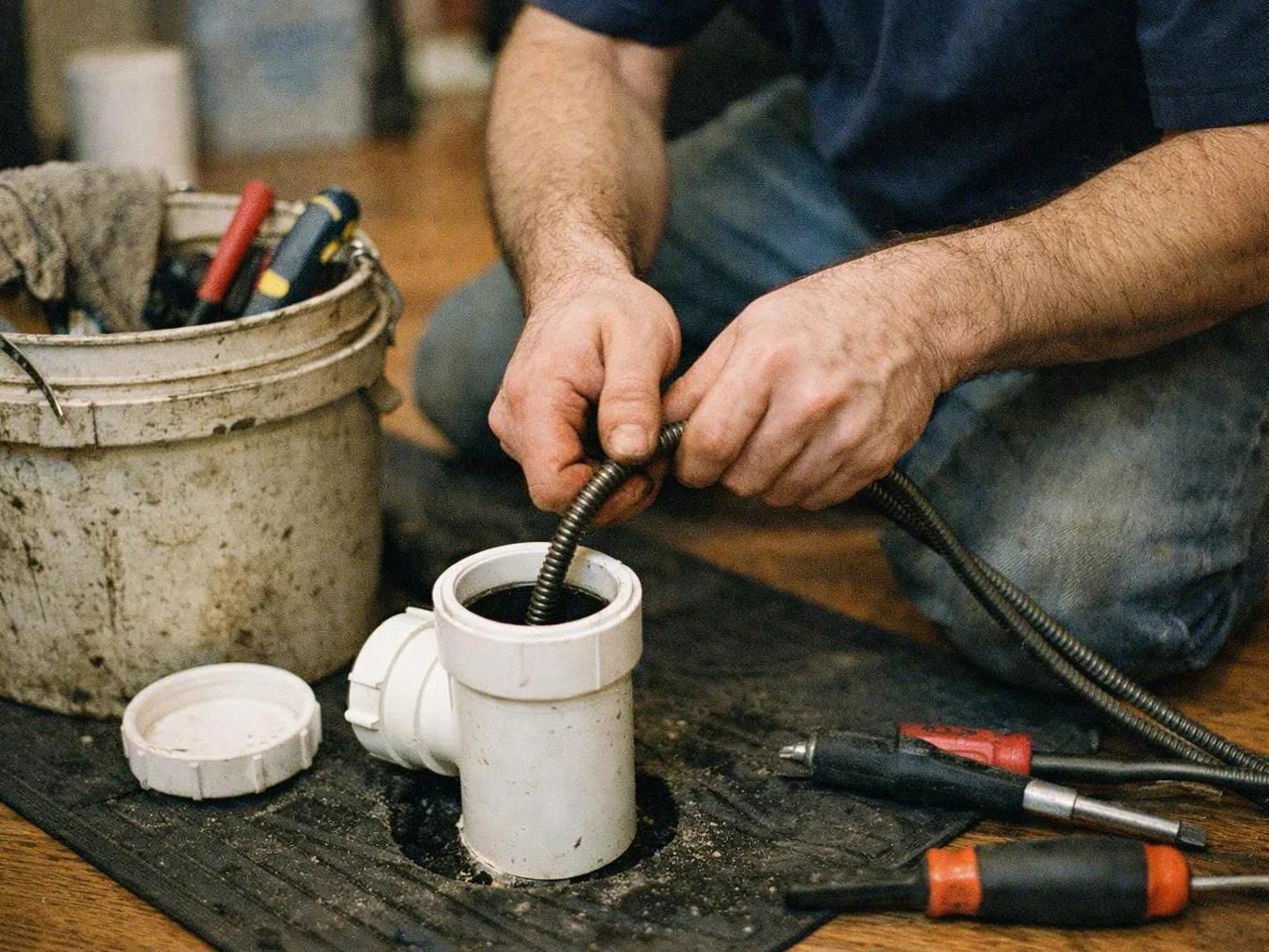
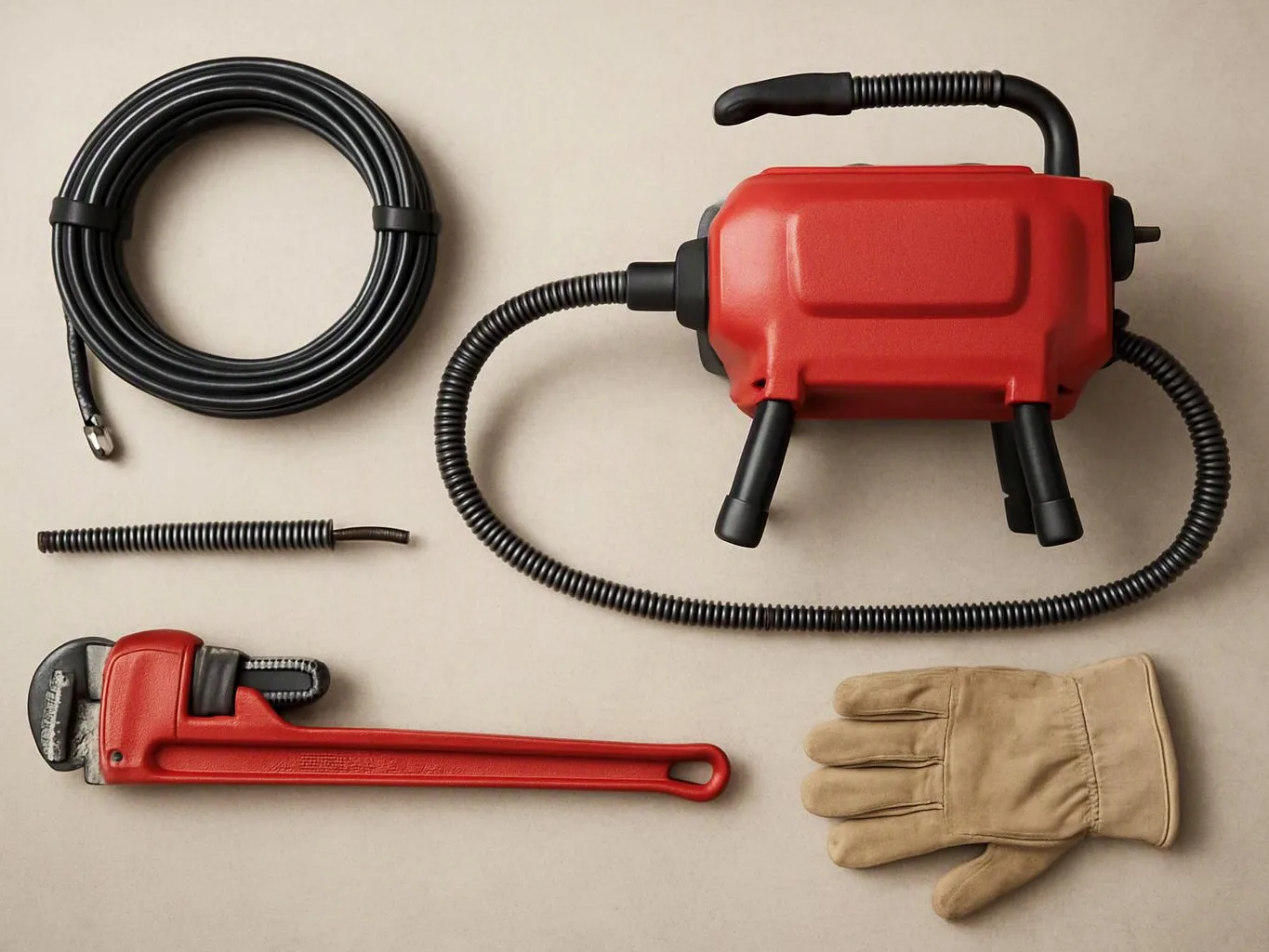
What signs indicate that a sewer line needs repair for Sewer Line Repair?
Frequent backups are the strongest warning when several fixtures drain poorly or the problem keeps returning. Sewer odors, wet soil, gurgling toilets, and slow drains add concern. A sewer camera inspection can check for roots, breaks, separated joints, or collapse. Stop using affected fixtures and arrange an assessment before sewage spreads.
How is the repair matched to a property's layout?
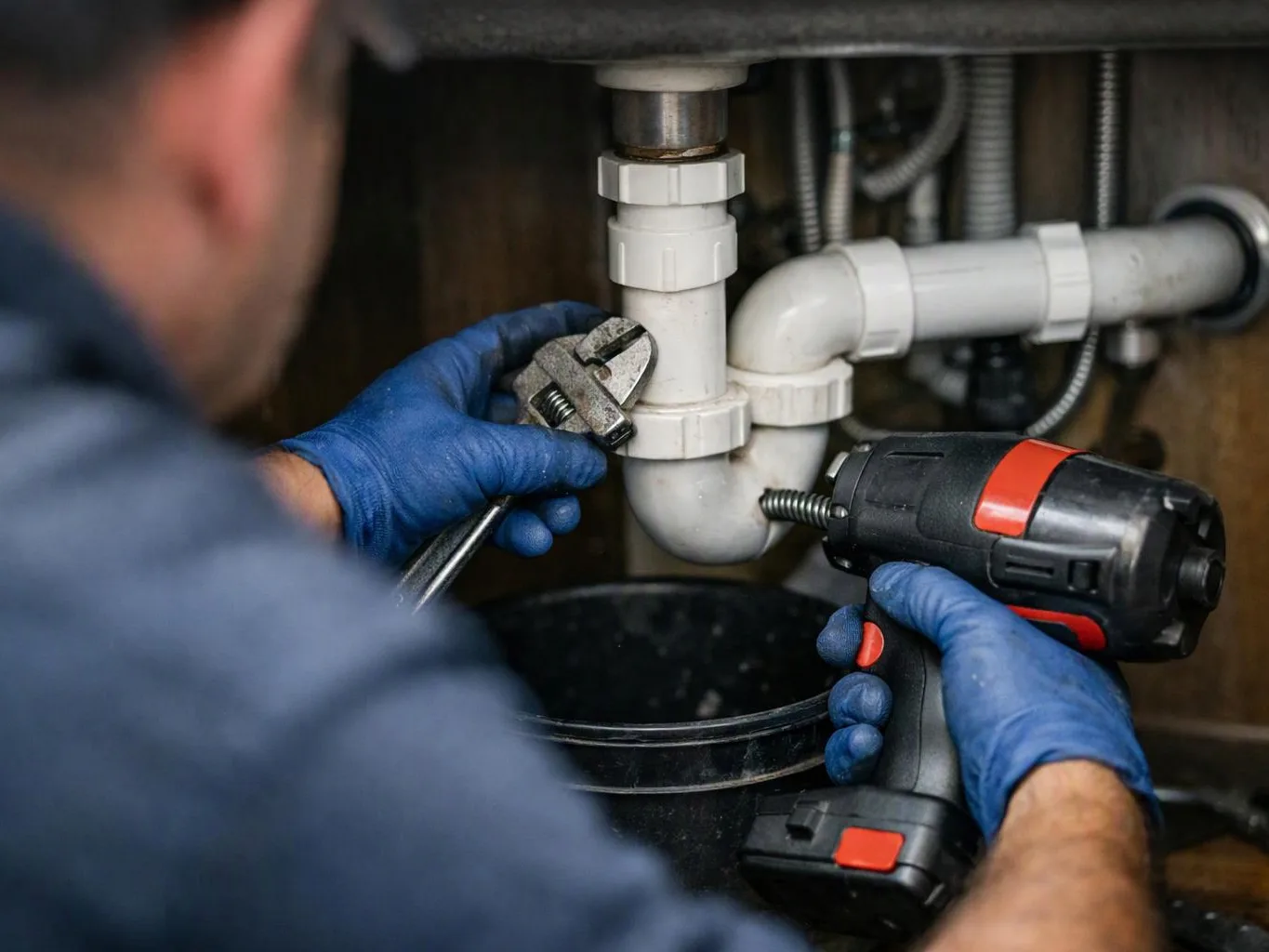
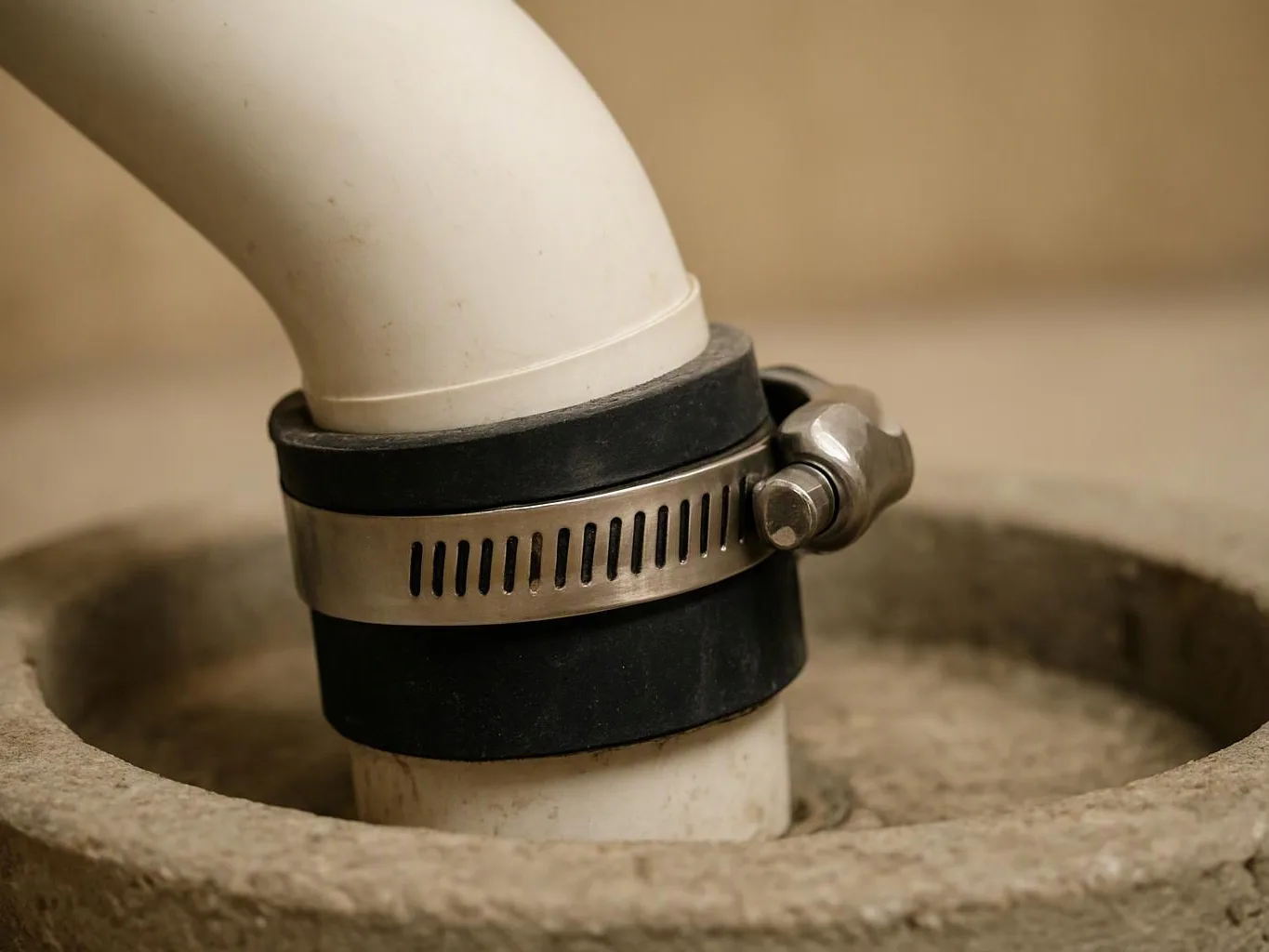
Property access and pipe location help determine the repair method. The inspection identifies the damaged section, while the site layout shows whether workers can reach it through existing access or need another approach. Trenchless pipe lining and pipe bursting suit some conditions, but the pipe must support the selected method.
Which part of a sewer repair changes the estimate?
The damaged section, pipe material, access, and repair method drive the estimate. A short spot repair has a different scope from work on a collapsed or badly worn line. The estimate should also explain related drainage work, access needs, and any site restoration tied to the repair.
When should a homeowner stop using the drains?
A homeowner should stop using affected drains when sewage backs up indoors or several fixtures drain poorly. Continued water use can add wastewater to the backed-up line and spread contamination. Keep people and pets away from sewage, and provide the plumber with the affected fixtures and any outdoor signs.
Why can sewer odors remain after a drain is cleared?
Sewer odors can remain when the buried line has a break, an open joint, or another fault that cleaning does not repair. A dry trap or vent issue can also cause an odor near a fixture. Note where the smell occurs, then request a diagnosis that checks both the fixture and the sewer line.
What should I confirm before approving the work for Sewer Line Repair?
The repair scope, access needs, method, estimate, and inspection plan should be clear before approval. Ask which pipe section is damaged and whether the plan includes cleaning, spot repair, lining, or replacement. Written details help homeowners, property managers, and businesses coordinate access and protect nearby areas.
How does a camera inspection help with repeated drainage problems?
A camera inspection shows whether the line has a blockage, root intrusion, crack, offset joint, or collapse. The finding helps separate a cleaning job from a pipe repair decision. The inspection also gives the repair discussion a specific location, so the estimate addresses the observed problem instead of only the indoor symptom.