When scheduling Emergency Plumbing, what should I do when my water heater suddenly fails?
A failed heating element, pilot light, control, or tank can stop hot water. Turn off power or gas only if you can do so safely, and close the water shutoff when a leak is active. Keep clear of gas odors and contact the gas utility for a gas leak. A plumbing inspection can then identify the repair or replacement needed.
Which water heater part usually decides the repair scope?
The failed part and the tank condition usually decide the repair scope. A service call checks the heating system, pilot light, pressure relief valve, shutoff valve, tank, and visible fittings. A replaceable part may support a repair, while corrosion or a leaking tank can change the recommendation. The estimate follows the inspection findings.
How should I handle water around the tank?
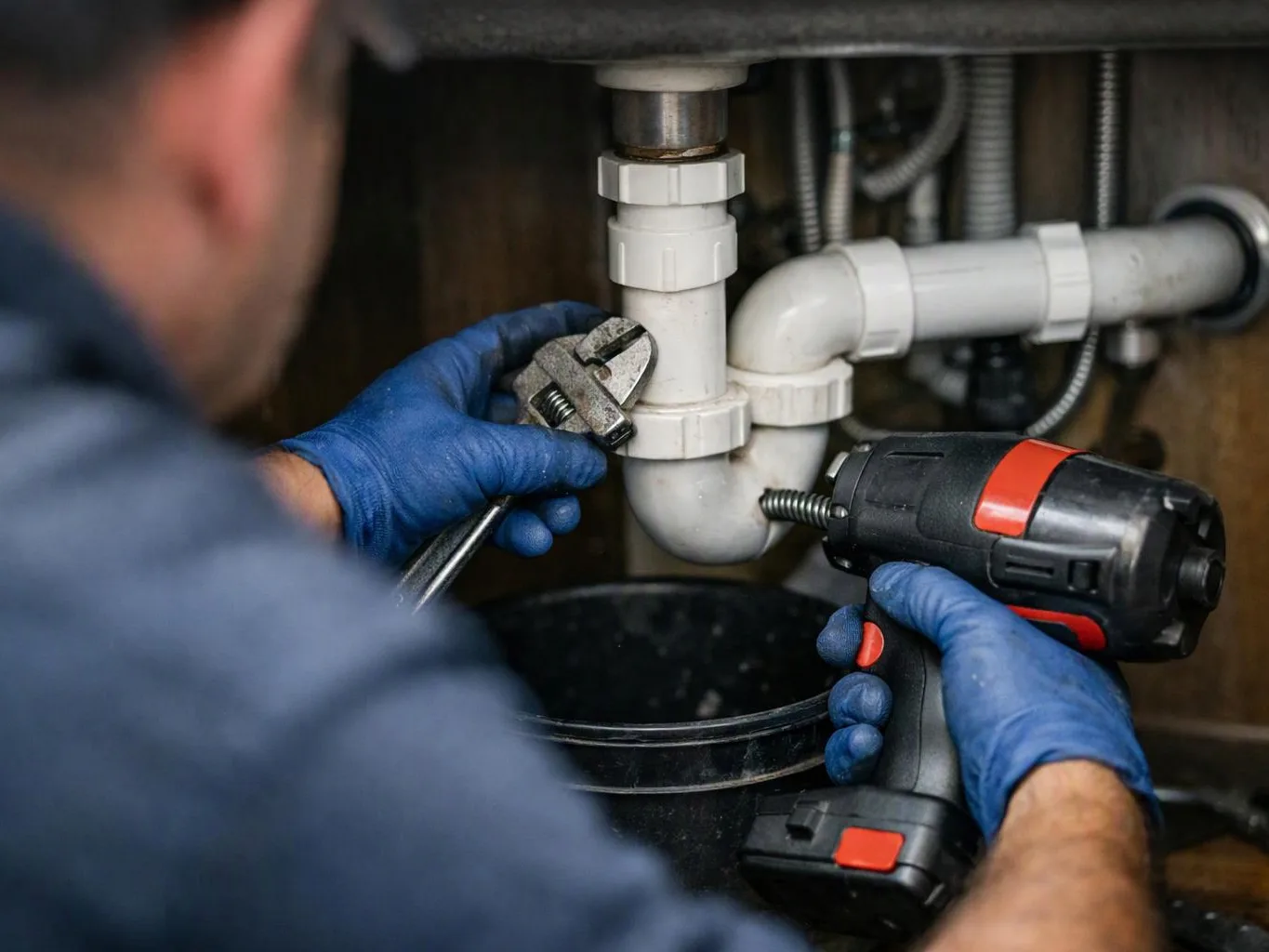
Water around the tank calls for safe shutoff and source checks before repair work starts. Close the water valve if it operates safely, move items away from the wet area, and avoid touching electrical controls near water. The leak may come from a fitting, relief outlet, drain valve, or tank wall, and each cause changes the work.
When does a water heater issue become urgent?
A water heater issue becomes urgent when water is spreading, the tank is leaking, hot water is unavailable, or a valve will not control flow. Quick isolation can protect nearby flooring, walls, and stored items. A gas odor is a gas-utility emergency, so leave the area and contact the utility before arranging plumbing work.
Why does a pilot light keep going out?
A pilot light may keep going out because of a control fault, gas supply issue, venting problem, or burner condition. Repeated relighting does not identify the cause and may create a safety risk. Stop using the unit if you smell gas, then have the plumbing and control area assessed after the gas utility confirms the area is safe.
What information helps a plumber assess the failure?
The most useful details are the heater type, visible water, loss of hot water, unusual sounds, control display, and shutoff location. A photo of the tank label and nearby connections can help identify the unit before assessment. Customers should also note whether the property is residential or commercial and whether any water has reached walls or flooring.
Can a leaking tank be repaired?
A leaking tank may need replacement when the tank wall has failed or corrosion is widespread. A fitting, drain valve, or pressure relief connection may support a repair after inspection. The plumber checks the leak source, tank condition, access, and connected pipe work before explaining the available scope and estimate.