Sump Pump Repair and Installation: Problems, Types, and Choices
Sump pump repair restores a failing system when the pump and related parts remain suitable, while installation replaces or adds equipment when capacity, design, or reliability falls short. At PlumbingMaplevalley.com, we check the pump, pit, discharge line, power, and backup needs before recommending the right solution.
Request an EstimateWhy Is My Sump Pump Not Working?
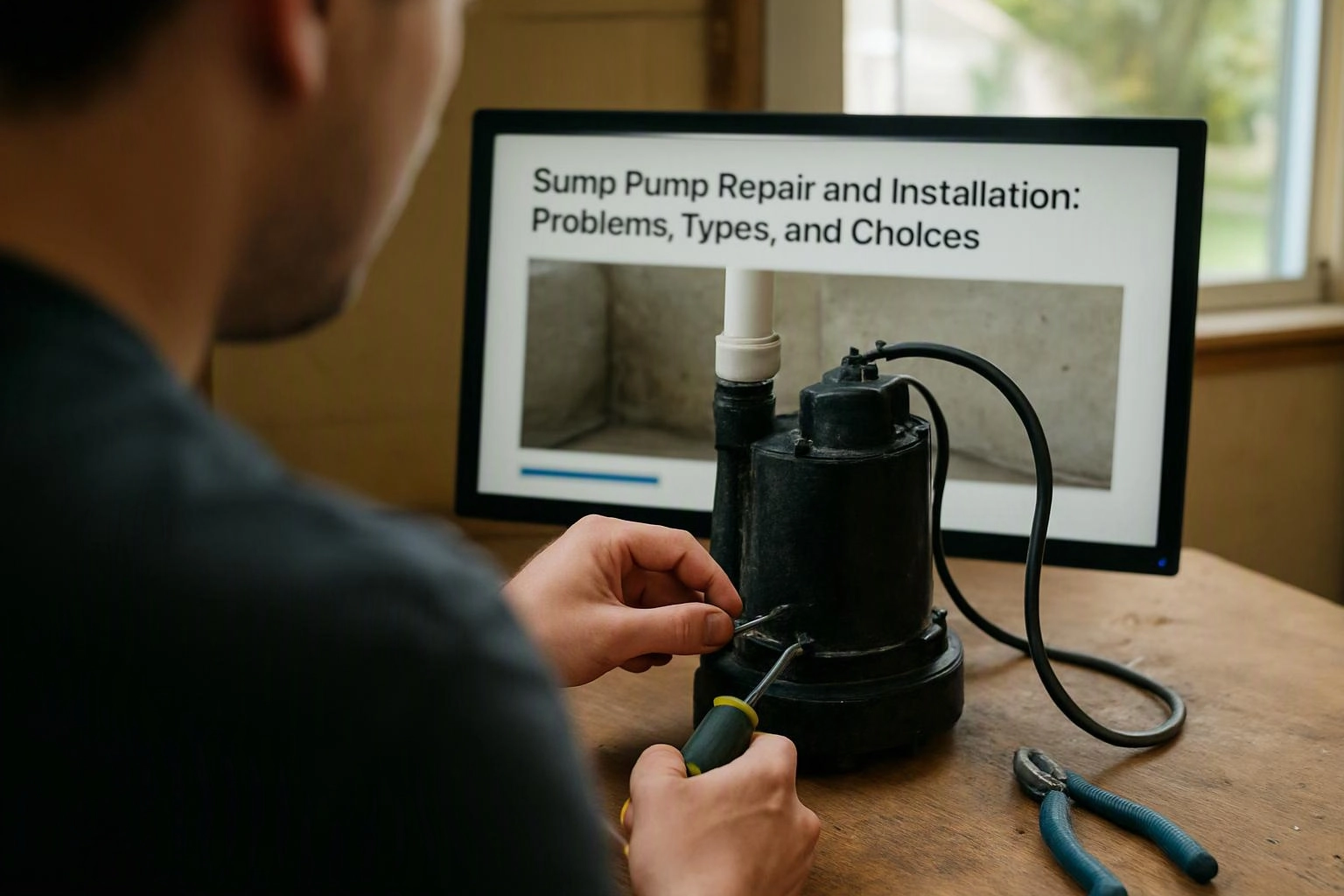
A sump pump may stop working because of a power problem, blocked discharge line, stuck float switch, failed check valve, or worn pump.
The power supply should reach the pump without tripped protection or a damaged cord. The float switch must move freely inside the sump pit, and the pump needs enough water to activate correctly.
A blocked discharge pipe can force water back toward the sump pit. A faulty check valve can also let water fall back after each cycle, causing pump cycling or water backup.
What Problems Does Sump Pump Repair Address?
Sump pump repair addresses faults that stop the drainage system from removing groundwater safely.
Our team checks the pump and connected parts before choosing a repair. Common repair concerns include the following:
Should I Repair or Replace My Sump Pump?
Sump pump repair fits a limited, fixable fault, while replacement fits a failed or unsuitable pump, repeated breakdowns, or a system that no longer handles the drainage demand.
We look at pump condition, past failures, water inflow, and system reliability. A repair may make sense when the main pump remains suitable and one part has failed.
Sump pump replacement becomes more practical when the motor is badly worn, corrosion is widespread, or repairs keep returning. Access, discharge changes, electrical work, and backup protection can also affect the repair choice and its cost.
Our team explains which parts need work and what the recommended solution includes. You can also review our Sump Pump Repair service when the system has stopped protecting the basement.
What Types of Sump Pumps Are Available?
Submersible sump pumps sit in the sump pit, while pedestal pumps keep the motor above the water.
Primary pumps handle regular water removal. Backup pumps add protection when the primary unit cannot operate.
| Pump type | How it works | Useful when |
|---|---|---|
| Submersible sump pump | The sealed pump operates inside the pit. | Quiet operation and protected installation matter. |
| Pedestal sump pump | The motor stays above the water level. | The sump pit is narrow or easy motor access matters. |
| Primary sump pump | The main unit removes routine groundwater. | The system needs regular basement water removal. |
| Battery backup pump | A battery-powered pump supports drainage during power loss. | A power outage could create water backup. |
| Water-powered backup pump | Water pressure powers the backup unit. | The property has a suitable water supply and system design. |
How Do We Choose the Right Sump Pump?
Pump capacity must match the water inflow and the height the pump must lift water.
Our team inspects the sump pit, measures the working conditions, and reviews the discharge route. Head height, pipe layout, and outlet placement affect how well a pump moves water.
We also check whether the pit can hold the selected unit and whether the discharge line can carry its flow. Backup protection depends on the risk of power loss and the amount of groundwater entering the pit.
What Happens During Sump Pump Installation?
Sump pump installation connects a correctly sized pump to the pit, discharge system, and safe power supply.
Our installation process follows a clear sequence:
When Should a Sump Pump Be Replaced?
Sump pump replacement is needed when failure keeps returning, the pump shows serious wear, or the existing system cannot remove water reliably.
Replacement signs include corrosion, unusual noise, frequent cycling, and water backup. A pump that runs but moves little water may also have worn internal parts or a poor discharge setup.
Our team reviews these signs with the pit condition and drainage demand. Planning replacement before complete pump failure can reduce the risk of basement flooding.
What Changes the Cost of Sump Pump Repair or Installation?
Sump pump repair or installation cost depends on the pump type, system condition, access, discharge work, electrical needs, and backup requirements.
A basic repair may involve one accessible part. A larger project may require a different sump pump model, pit work, new discharge piping, or a battery backup pump.
Our quote explains the recommended work, included parts, discharge changes, electrical needs, and backup options. Contact us for an exact quote based on the system in your basement.
How We Check and Complete the Work
Sump pump inspection gives our team the information needed for a clear repair or installation plan.
How Can You Protect Your Sump Pump System?
Backup protection helps reduce water damage when the main pump cannot keep up or power is lost.
A secure sump pit cover limits debris and helps keep the area safer. The discharge outlet should send water away from the foundation and remain clear.
Our team can check the pump during planned maintenance, while you can watch for unusual noise, frequent cycling, or rising water. A water alarm can provide an early warning before water backup becomes severe.
Get Help With Sump Pump Repair or Installation
Sump pump installation or repair should match the pit, drainage demand, discharge route, and backup needs.
We inspect the system, explain the available choices, and prepare a service quote for the recommended work. Contact our team through our contact page to discuss a failing pump or a new installation.
Questions About Sump Pump Problems
Can a sump pump be repaired after it stops running?
Yes, a sump pump can be repaired when the failure comes from a limited fault and the pump remains suitable. Our team tests the power, float, motor, impeller, check valve, and discharge line before recommending repair or replacement.
Why does my sump pump keep running?
A sump pump may keep running because water is entering quickly, the float is stuck, or the discharge line cannot move water away. Our team checks the pit, switch, discharge route, and pump capacity to locate the cause.
Why is my sump pump making a loud noise?
A sump pump may make a loud noise when the motor, impeller, check valve, or discharge piping has a problem. Our team checks for vibration, loose parts, restricted flow, and signs of pump wear.
Can a sump pump work during a power outage?
A sump pump can work during a power outage when the system has suitable backup protection. Our team can assess whether a battery backup pump or water-powered backup pump fits the property.
What should I do if water is rising in the sump pit?
Rising water in a sump pit needs prompt attention because the system may be losing power, blocked, or unable to handle inflow. Keep people away from standing water near electrical equipment, and contact our team for safe diagnostic testing.