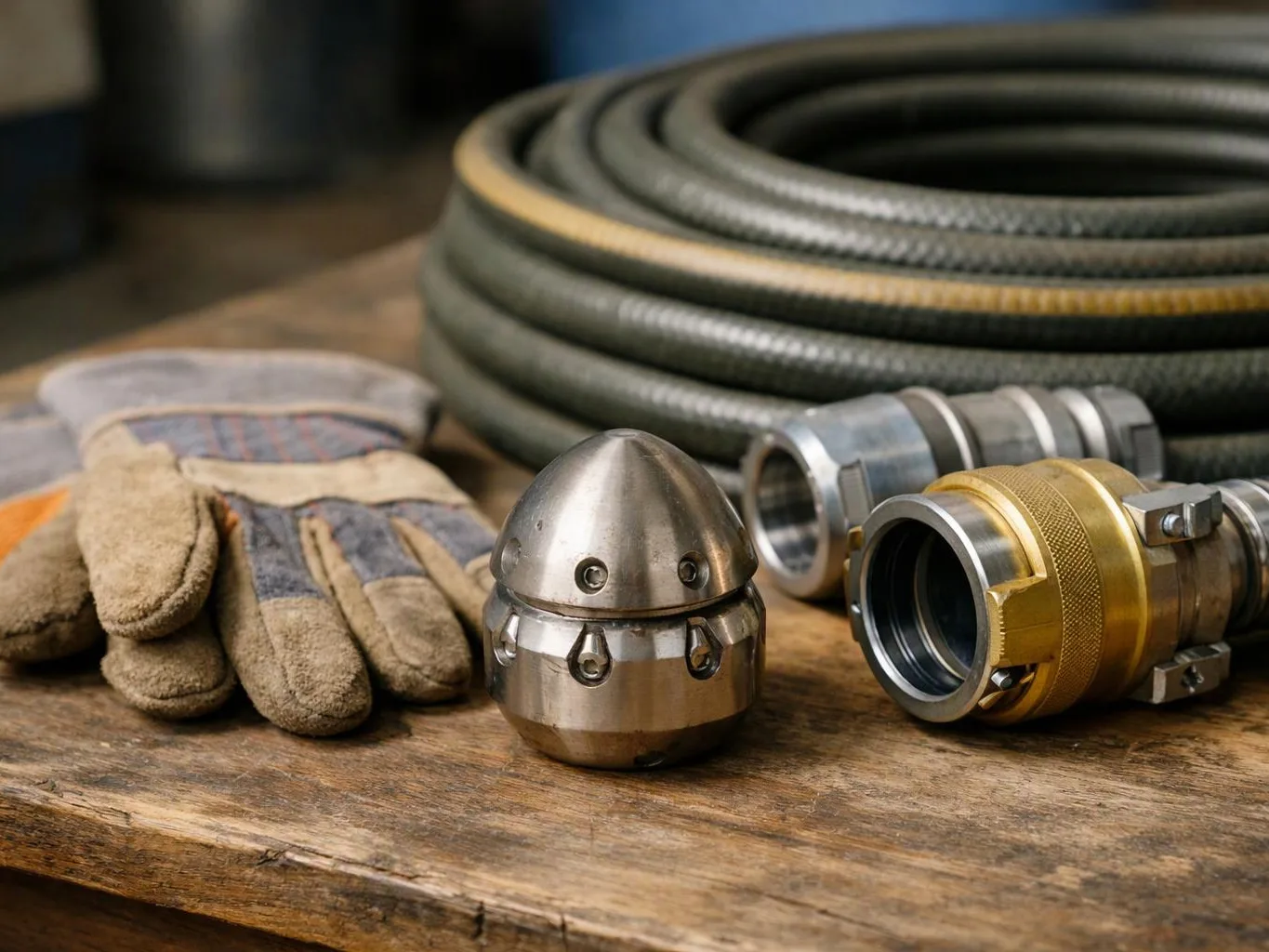
Signs Your Home May Have a Sewer Line Problem
Signs of sewer line problems include repeated slow drains, sewage odors, multiple backed-up fixtures, toilet bubbling, and sewage in a tub or shower. At PlumbingMaplevalley.com, we explain what these warning signs can mean and how our team checks the line.
Request an EstimateWhat Are the Warning Signs of a Sewer Line Problem?
A sewer line problem can produce warning signs in your home's drains, toilets, fixtures, and surrounding areas. The main signs include repeated slow drains, sewage smells, bubbling toilets, multiple backups, and sewage entering tubs or showers.
One sign may come from a local drain, but several affected fixtures point toward the shared system. Watch for these changes:
A single slow sink does not always mean the main sewer line is blocked. Repeated clogs, multiple backed-up drains, and standing wastewater deserve closer attention.
Why Is the Toilet Bubbling When You Run the Sink?
A toilet can bubble when a sink runs because a blockage restricts airflow or water movement through the shared drain system.
The sink and toilet may connect to the same drain path. When water moves through that path, trapped air can push through the toilet bowl and create a gurgling sound.
A partial drain blockage can cause this symptom before a full backup occurs. Avoid running more water if bubbling continues, and note which fixtures trigger the sound.
Why Does Sewage Back Up Into the Tub or Shower?
Sewage can back up into a tub or shower when a blocked main sewer line forces wastewater toward a lower fixture.
The bathtub drain and shower drain are often lower than other fixtures. That makes them common places for wastewater to appear when the sewer line cannot carry flow away.
Stop using sinks, toilets, washing machines, and other fixtures until the cause is checked. Further water use can increase the sewer backup and spread contamination.
Why Do Multiple Drains Back Up at Once?
Multiple drains backing up at once usually points to a restriction in the shared drain or sewer line.
A branch drain serves part of the home, while the main drain carries wastewater from several fixtures. A blockage in the main section can affect sinks, toilets, tubs, and showers together.
Multiple fixtures with slow drainage or backups are more concerning than one isolated clog. Limit water use and contact our team for an assessment of the pipe blockage.
What Can You Do Yourself, and When Should We Check the Sewer Line?
You can note which fixtures are affected and avoid using backed-up drains, while we can assess the sewer line with cleaning or camera inspection.
Simple observations help us understand the pattern. Chemical products can also hide symptoms or damage some plumbing materials, so use caution.
| Factor | What you can do yourself | What we do |
|---|---|---|
| Warning signs | Record which drains, toilets, tubs, or showers are affected. | We compare the symptoms to locate the likely restriction. |
| Basic drain care | You can use a plunger for an isolated fixture when no sewage is present. | We determine whether the issue is local or connected to the main line. |
| Chemical drain cleaner | Avoid chemical drain cleaner when a sewer blockage is suspected. | We use methods suited to the pipe and the blockage. |
| Sewer line service | Stop using fixtures that send water into the affected line. | We can provide sewer line cleaning or a sewer camera inspection. |
Our Sewer Line Cleaning service can address a confirmed blockage. We inspect the situation first when the cause or pipe condition is unclear.
How We Inspect and Clean a Suspected Sewer Line Problem
We assess the symptoms, inspect the pipe when needed, and choose sewer line cleaning or camera inspection based on what the line shows.
Our team checks available drain access, such as a cleanout, before choosing an inspection method. A sewer camera inspection lets us view the pipe interior and identify the blockage location.
The camera may show root intrusion, pipe damage, a collapsed pipe, a cracked sewer pipe, or an offset pipe. Those findings help us explain whether cleaning may solve the problem or whether the repair scope needs further planning.
We keep the process focused on the cause. Removing a blockage without checking the pipe can leave an ongoing sewer pipe problem unresolved.
What Changes the Cost of Sewer Line Service?
The cost depends on the blockage location, pipe condition, access, and service needed; contact our team for an exact quote.
Sewer line cleaning and sewer camera inspection involve different work. The quote also depends on whether the line is easy to access and whether the pipe shows root intrusion or damage.
Our quote explains the recommended service and the repair scope. You can request an exact quote after we review the symptoms and access point.
Questions About Sewer Line Warning Signs
Can a sewer line problem cause a bad smell in the house?
Yes, a sewer line problem can cause a bad smell when wastewater or sewer gas escapes from the drainage system. Repeated foul odor near several fixtures deserves an inspection.
Can tree roots cause sewer line problems?
Yes, tree roots can enter a damaged or separated sewer pipe and restrict wastewater flow. A camera inspection can show whether root intrusion is present.
Should you use chemical drain cleaner for a suspected sewer blockage?
No, chemical drain cleaner is not a safe choice for a suspected sewer blockage. The product may not reach the restriction, and it can create a hazard during later drain work.
Related Resources
Emergency Plumber vs. Standard Appointment: What to Compare Before You Book
Compared ToHydro Jetting vs. Drain Snaking: Which Service Should You Book?
Compared ToSewer Camera Inspection vs. Cleaning: What to Book Before Approving Work
Compared ToSewer Line Repair vs. Replacement: How to Compare Your Options